
- Gifts & Party Decorations
- Phone Accessories
- Photo & Video
- Computers & Electronics
- Sports & Fitness
- Beauty & Health
- Car & Motorcycle Accessories
- Bicycle Accessories
- Home & Living
- Garden & Outdoor
- Baby & Kids Products
- Games, Hobbies & Leisure
- Travel & Outdoor Activities
- Pet Supplies
- Discounted Items & Products with Defects
EV chargers for home, work and travel
Find a range of electric vehicle chargers here — from home wallboxes and portable chargers to public and fast-charging stations. These products offer safe, efficient charging for home, work or travel, with smart features and safety protections. Browse models, compare power ratings and connector types to choose the charger that suits your needs.
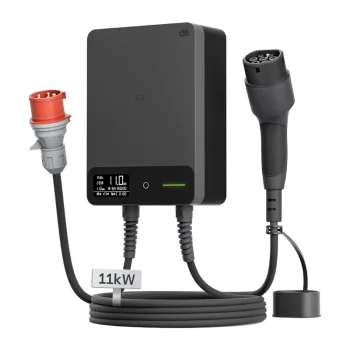
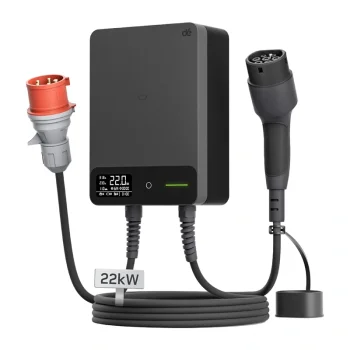
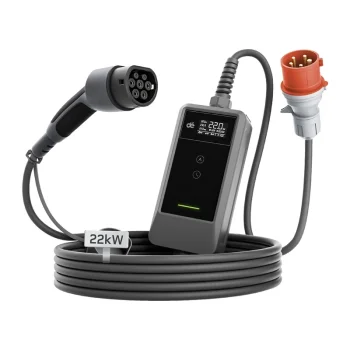
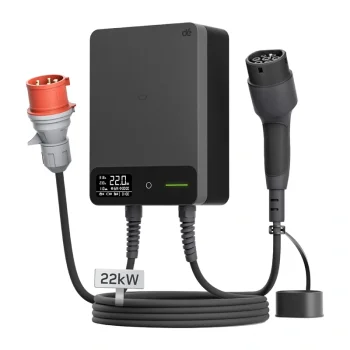
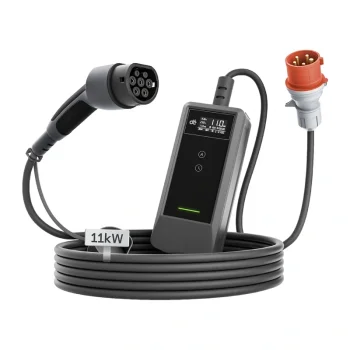
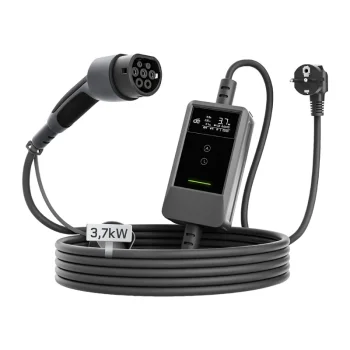
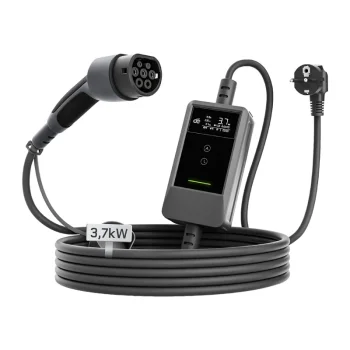
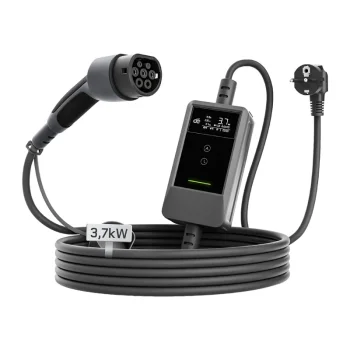
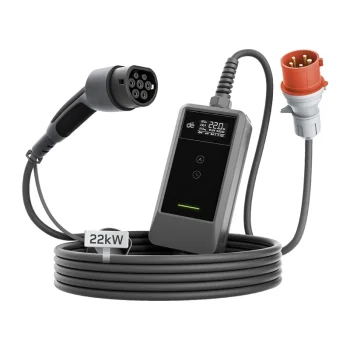
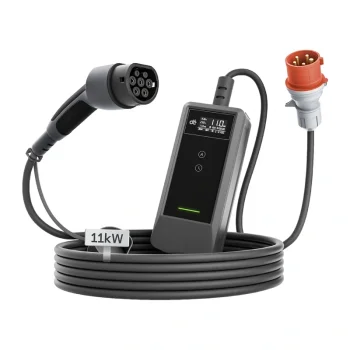
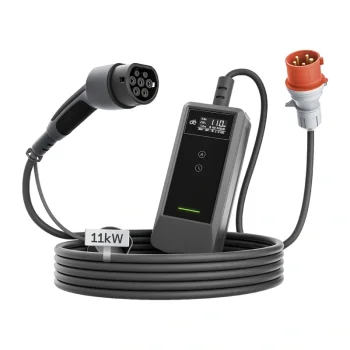
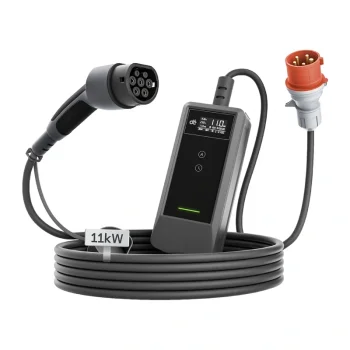
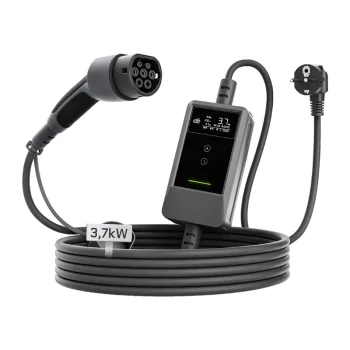
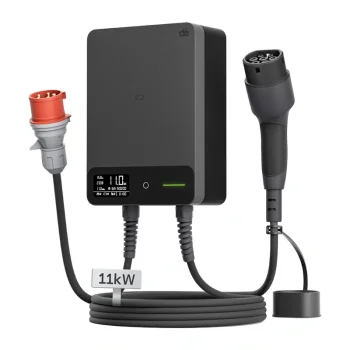
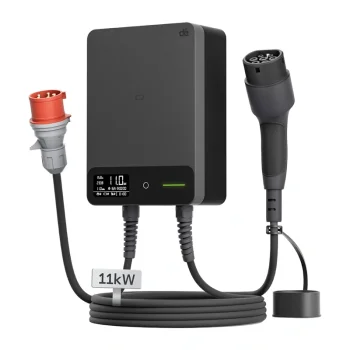
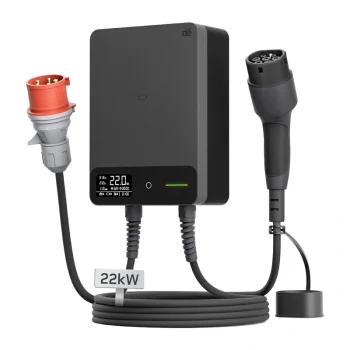
This category contains chargers for electric vehicles (EVs), including wall-mounted home chargers (wallboxes), portable EVSE units, public and commercial charging stations, and accessories such as adapters, cable holders and mounting kits. You’ll also find both tethered (with fixed cable) and untethered models where cables are selected separately.
Typical use cases include home charging (overnight), workplace charging for employees and visitors, commercial fleets, and on-the-go charging at public points or fast-charging hubs. Home users often opt for a wallbox with scheduling and safety features, while frequent travelers may prefer portable chargers compatible with various sockets and adapters.
Key benefits are faster and more reliable charging compared to a standard household socket, enhanced safety, scheduled charging, app control and integration with home energy systems. Important technical specs include nominal power (kW), connector type (Type 2, CCS, CHAdeMO), number of phases, and environmental protection rating (IP/IK) for outdoor use.
Materials and construction are chosen for durability — weather-resistant plastics or metal housings, high-quality contacts and reinforced cables. Cable length, locking mechanisms, built-in circuit protection (RCD, overcurrent protection) and smart features (Wi‑Fi, RFID, mobile app) are often decisive factors. Portable chargers are lightweight and convenient for travel but check compatibility with charging points and available mains supply.
How to choose the right charger: first, confirm your vehicle’s inlet and maximum charging power. Next, evaluate the installation environment: outdoor installations should have at least IP54, preferably IP65. Decide whether you need smart features like remote scheduling, energy management or user access control. Lastly, for fixed installations use a certified electrician to ensure safe connection and compliance with local regulations.
- Variety: home wallboxes, portable EVSE, public and commercial stations
- Connector support: Type 2, CCS, CHAdeMO and adapters
- Power range from ~3.7 kW up to 22 kW+ depending on model
- IP/IK ratings for outdoor durability
- Smart features: Wi‑Fi, app control, scheduling
- Safety: RCD, overcurrent and surge protection
- Portable models for travel and temporary use