
Electric Vehicle Chargers and Charging Cables
Electric vehicle chargers and charging cables include portable and wall-mounted chargers from dé and Besen, connection cables and Maclean cable holders. These products suit drivers setting up a regular charging space or looking for a charger to carry in the car. Choose according to the vehicle connection, available electrical supply, charging power and the cable length needed to reach the parking space.
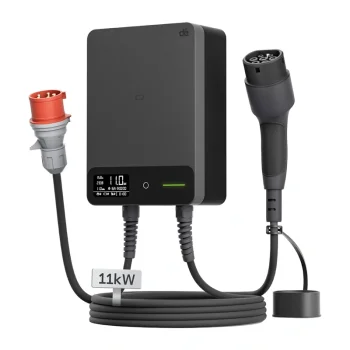
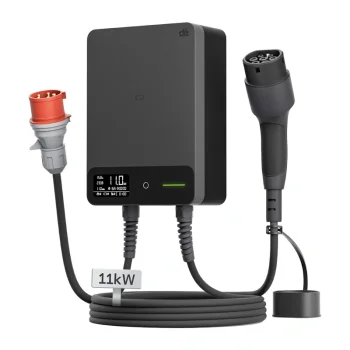
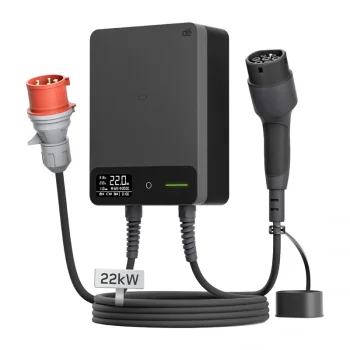
Electric vehicle chargers and charging cables cover portable chargers, wall-mounted chargers, connection cables and wall holders. Brands include Hismart, Duosida, dé, Besen, Maclean and Greenblue. Portable units suit a charging setup that needs to travel, while wall-mounted chargers serve a fixed charging location. Separate cables provide connections between suitable charging points and vehicles, and Maclean holders provide a place for the cable and Type 2 plug.
Choosing electric vehicle chargers and charging cables
Start by checking the exact vehicle model’s charging connection and the electrical supply available at the charging location. Type 1, Type 2, Tesla NACS, Schuko and CEE identify different connections, so both ends matter. Compare rated power, current, phase count and cable length next. A charger’s power rating alone does not determine charging speed: the vehicle and electrical supply also affect the power available.
- Portable chargers: dé and other brands offer chargers that can be carried between locations. Match the supply connection and cable reach to the intended parking arrangement.
- Wall-mounted chargers: Besen offers chargers for a fixed charging space. Selected models include app control, making this a model-specific feature to compare.
- Charging cables: options include Type 1 to Type 2 and Tesla NACS to Type 2 connections. Connector types and electrical ratings are the main points of comparison.
- Adjustable current: selected portable chargers offer current adjustment. Consider the stated adjustment range alongside the charger’s supply requirements.
- Cable holders: Maclean wall holders accommodate a charging cable and Type 2 plug. A dedicated holder gives charging accessories a defined storage position.
For regular home charging, focus on charger placement and the distance to the vehicle. For a charger carried in the car, portability and the available connection matter, while a separate charging cable needs the right connector combination and practical reach.
Frequently Asked Questions
What is the difference between a portable and a wall-mounted EV charger?
A portable EV charger can be carried between locations and used with a suitable electrical connection. A wall-mounted EV charger is intended for a fixed charging location.
What should I compare when choosing an EV charging cable?
An EV charging cable needs the appropriate connectors at both ends, suitable current and power ratings, and the required phase configuration. Cable length should cover the distance between the charging connection and the parked vehicle.
Does a higher-rated EV charger always charge a car faster?
An EV charger’s rated power does not guarantee that the vehicle will charge at that power. Actual charging power also depends on the vehicle’s charging capability and the electrical supply.
What is a Maclean EV charging cable holder used for?
A Maclean EV charging cable holder provides wall storage for the charging cable and Type 2 plug. It gives these accessories a dedicated position near the charging area.