
- Gifts & Party Decorations
- Phone Accessories
- Photo & Video
- Computers & Electronics
- Sports & Fitness
- Beauty & Health
- Car & Motorcycle Accessories
- Bicycle Accessories
- Home & Living
- Garden & Outdoor
- Baby & Kids Products
- Games, Hobbies & Leisure
- Travel & Outdoor Activities
- Pet Supplies
- Discounted Items & Products with Defects
Cable Lugs & Terminals
Cable lugs and terminals are essential electrical components designed to create secure, stable, and durable wire connections. This category includes a variety of crimp terminals, ring and fork lugs, wire ferrules, and quick-disconnect connectors. Selecting the right cable lugs prevents wire strands from fraying, reduces contact resistance, and ensures safe operation across residential and commercial electrical installations.
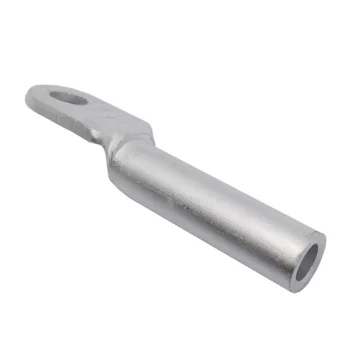
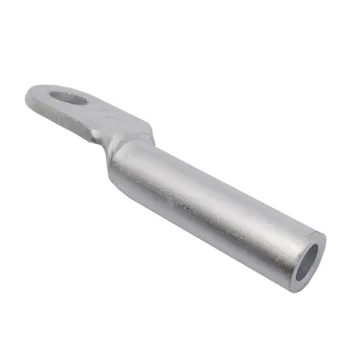
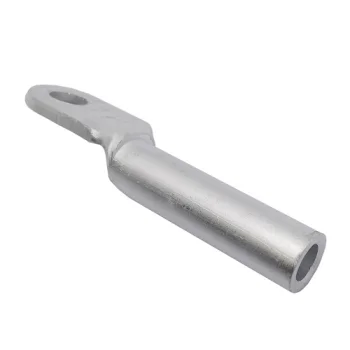
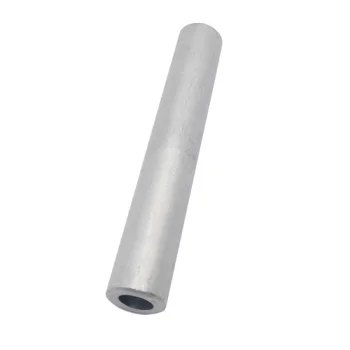
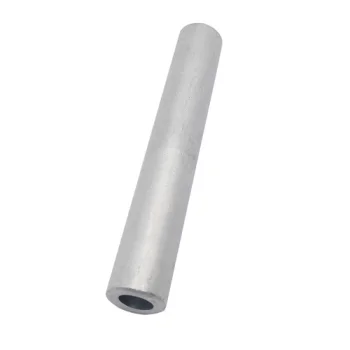
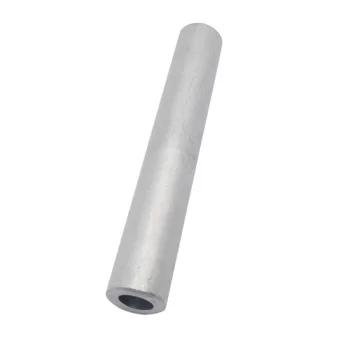
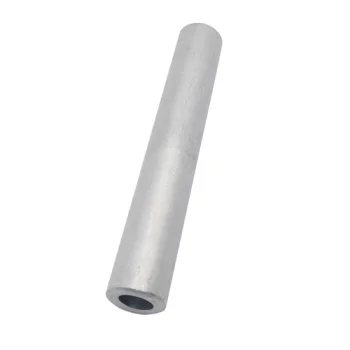
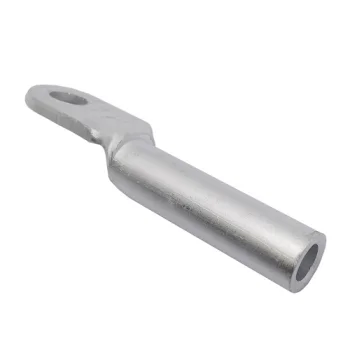
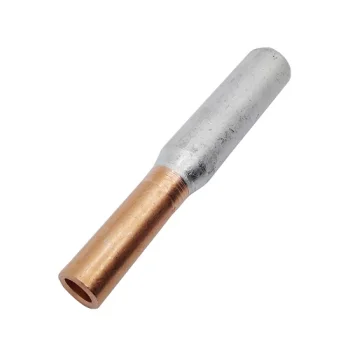
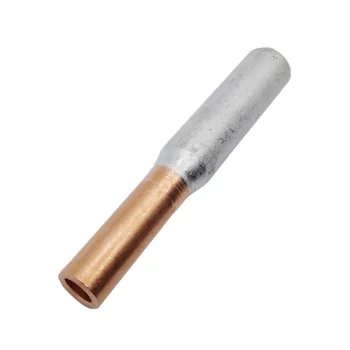
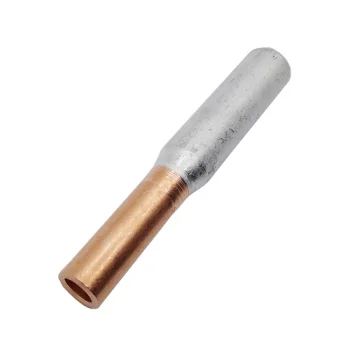
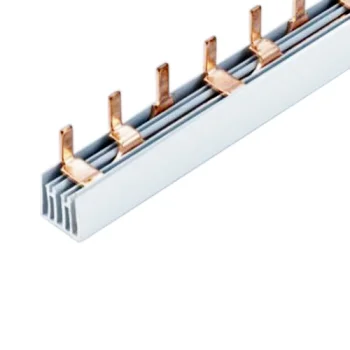
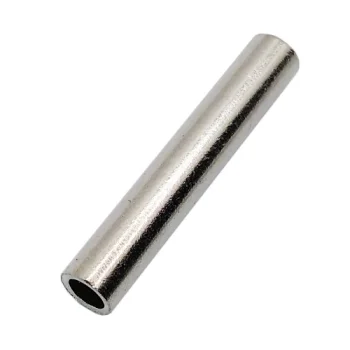
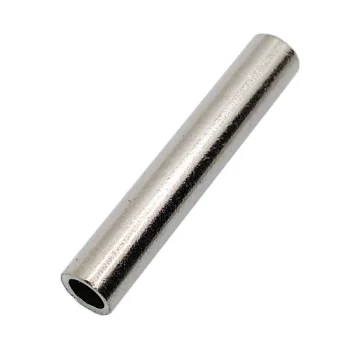
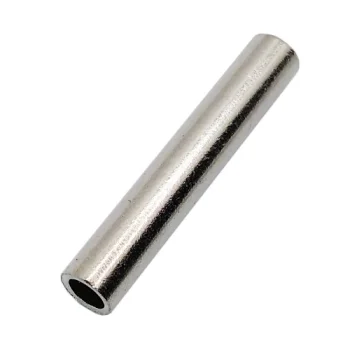
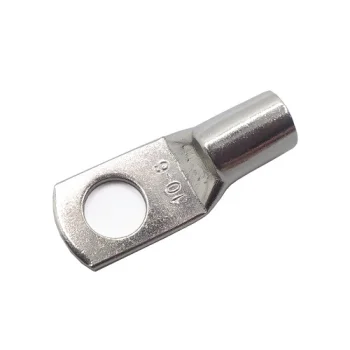
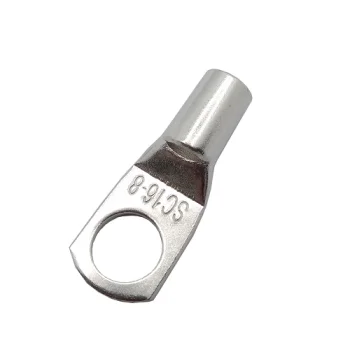
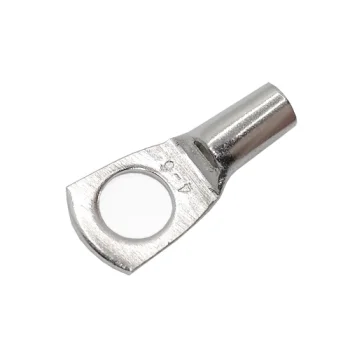
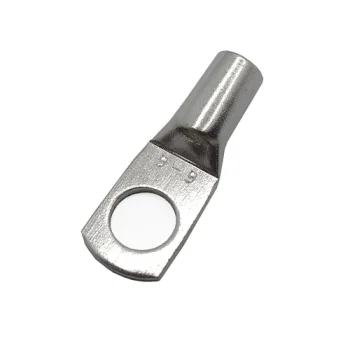
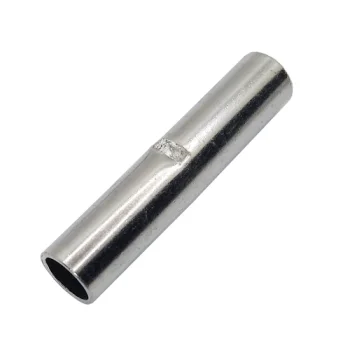
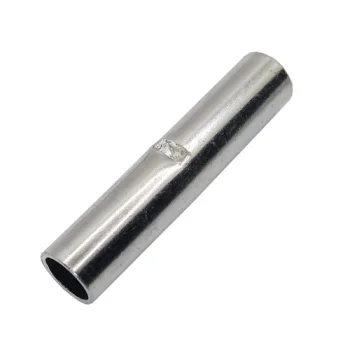
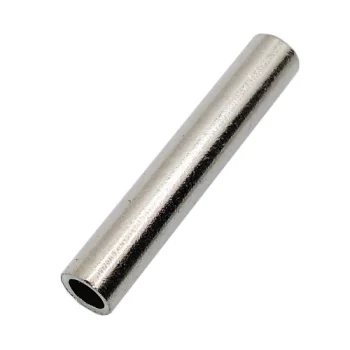
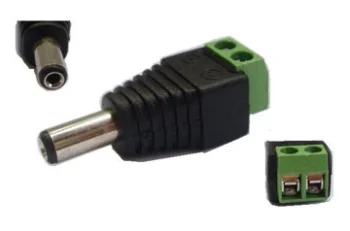
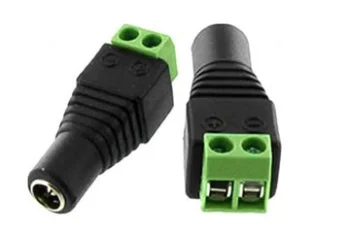
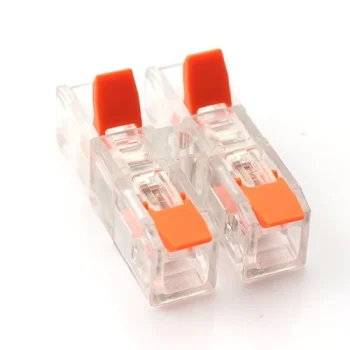
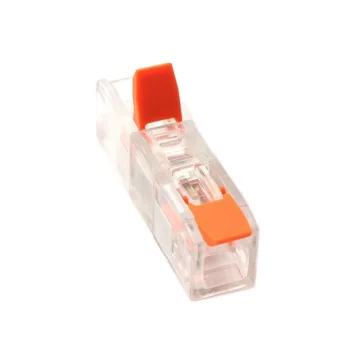
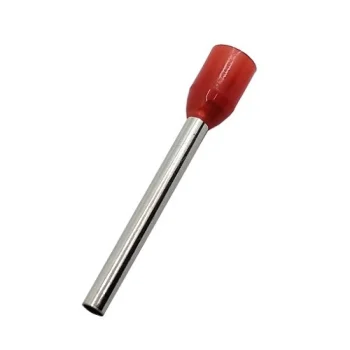
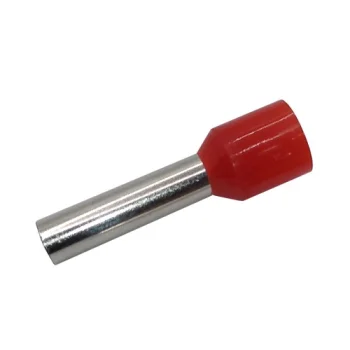
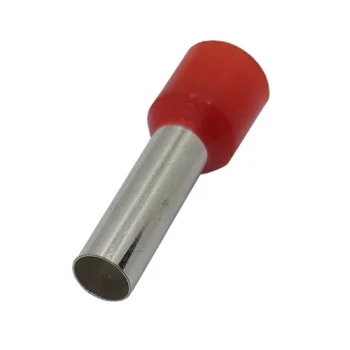
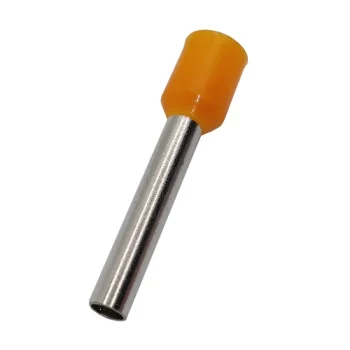
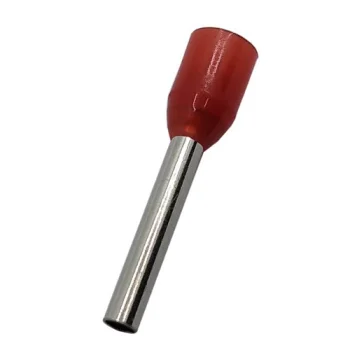
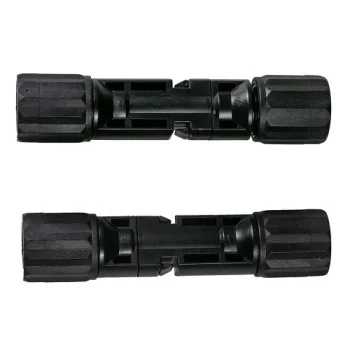
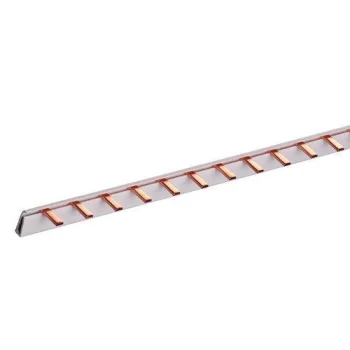
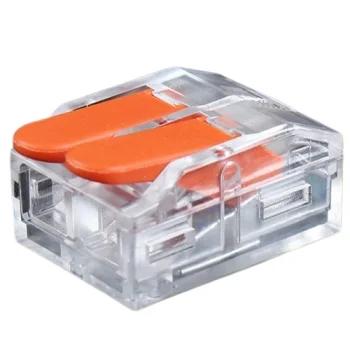
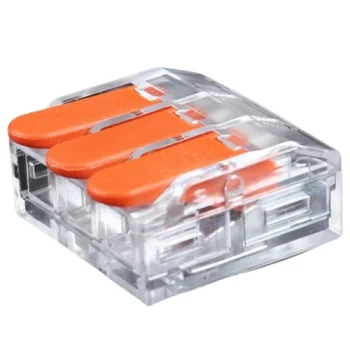
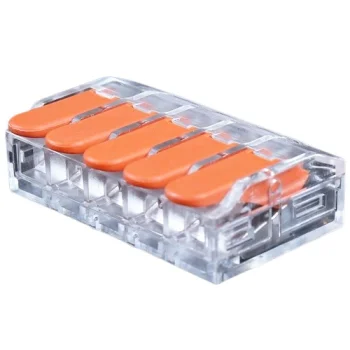
When setting up electrical circuits and connecting equipment, high-quality termination is vital for safety and efficiency. Cable lugs & terminals protect stranded conductors from physical damage, prevent loose contacts, and ensure optimal electrical conductivity in terminal blocks, distribution panels, and power circuits.
How to Choose the Right Cable Lugs & Terminals
Choosing suitable wire connectors depends on technical specifications and installation requirements:
- Wire Cross-Section: lugs and ferrules are sized to match specific wire gauges (mm² or AWG) to ensure a snug and mechanically sound crimp.
- Terminal Type: choose from ring, spade/fork, pin, blade, or ferrule designs depending on the screw or clamp connection available.
- Insulation: insulated terminals offer built-in protection against short circuits, while non-insulated variants are suitable for high-temperature or compact enclosures.
- Mounting Method: most modern electrical terminals are designed for crimping using standard crimping pliers, ensuring rapid and dependable installation.
Explore the broad selection of cable lugs and terminals at Motivs.lv to guarantee reliable, compliant, and professional electrical connections for your projects.
Frequently Asked Questions
Why are cable lugs and ferrules used on stranded wires?
They bundle individual wire strands together, preventing fraying, breakage under screw pressure, and contact oxidation.
How do I choose the correct terminal size?
Match the terminal size to the wire's cross-sectional area (mm²) and, for ring or fork lugs, the diameter of the mounting bolt or screw.
What tool is required to install crimp terminals?
A dedicated crimping tool (crimper) is required to ensure a firm, reliable mechanical and electrical bond.