
- Gifts & Party Decorations
- Phone Accessories
- Photo & Video
- Computers & Electronics
- Sports & Fitness
- Beauty & Health
- Car & Motorcycle Accessories
- Bicycle Accessories
- Home & Living
- Garden & Outdoor
- Baby & Kids Products
- Games, Hobbies & Leisure
- Travel & Outdoor Activities
- Pet Supplies
- Discounted Items & Products with Defects
3D Printer Filaments & Materials
This category includes 3D printer filaments and materials for everyday printing, prototypes, models, and practical parts. You can compare common options such as PLA and PETG in different colors, diameters, and spool sizes. The assortment helps you choose a suitable material for home projects, workshop use, learning, or more precise prints where appearance and intended use both matter.
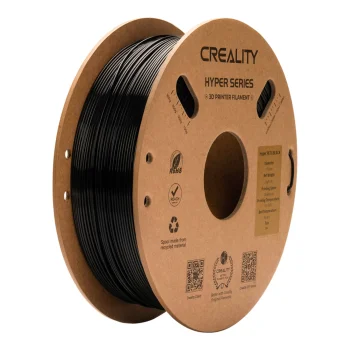
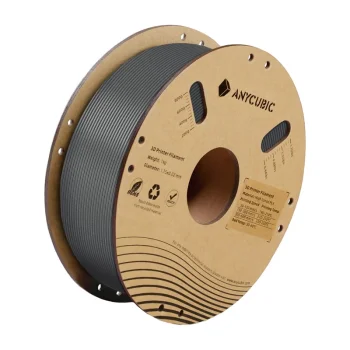
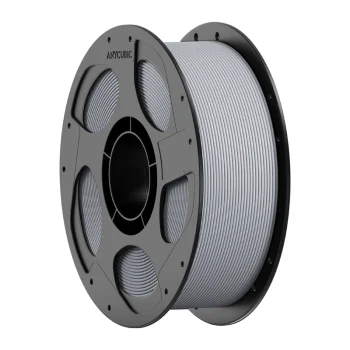
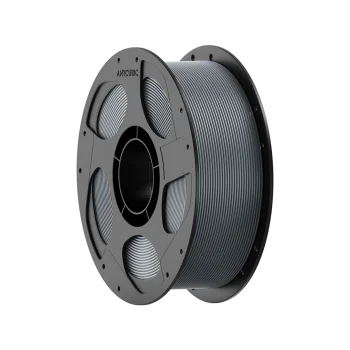
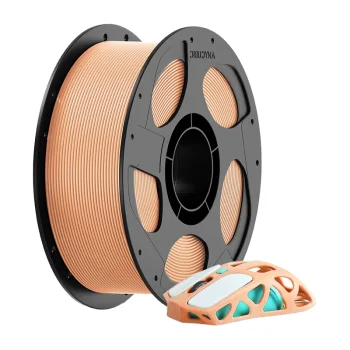
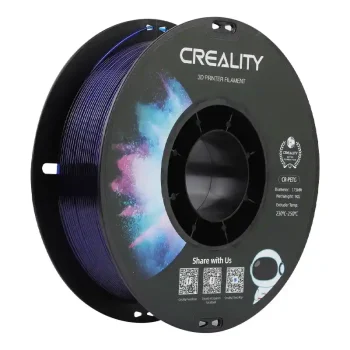
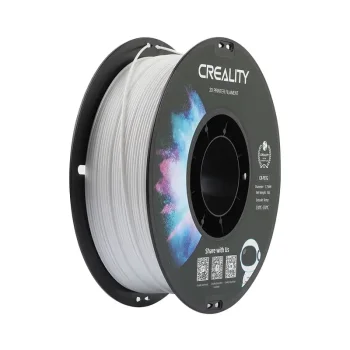
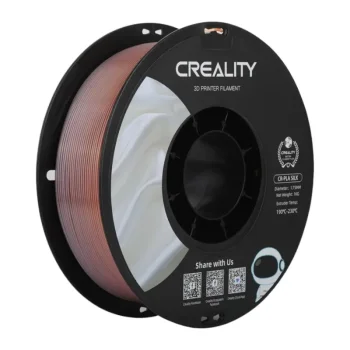
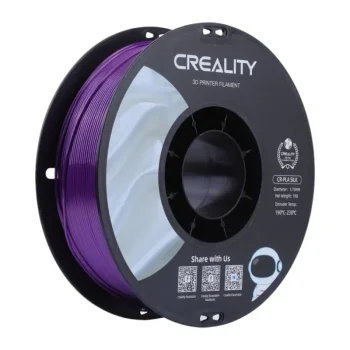
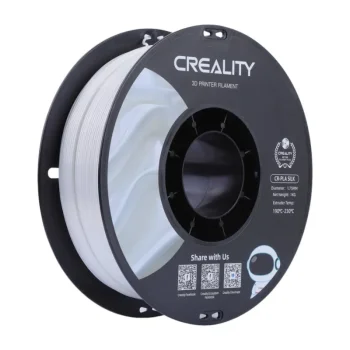
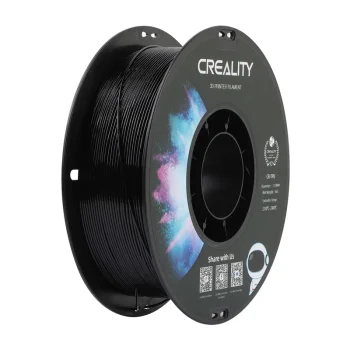
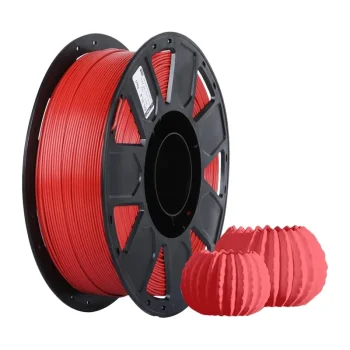
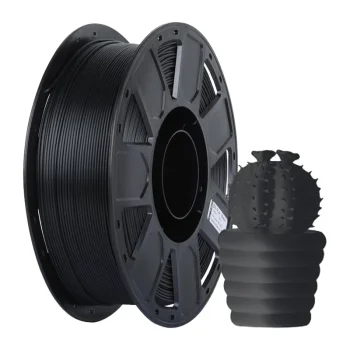
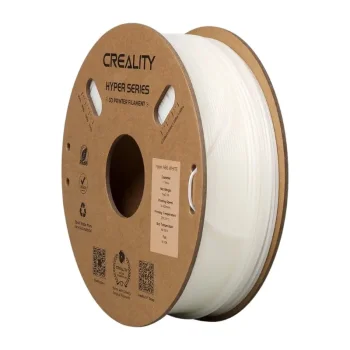
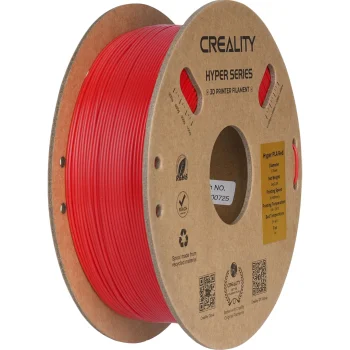
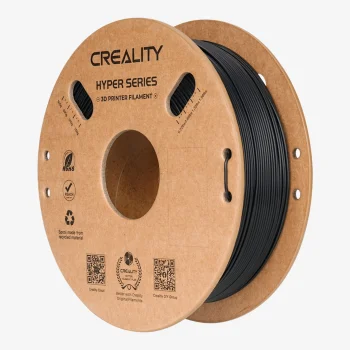
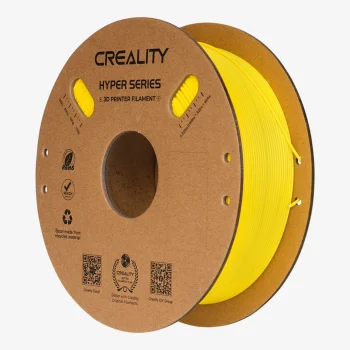
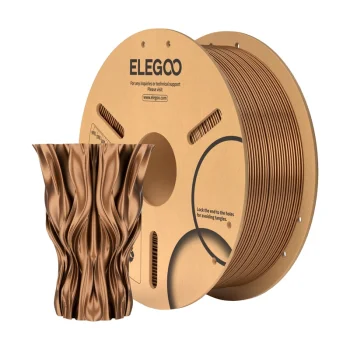
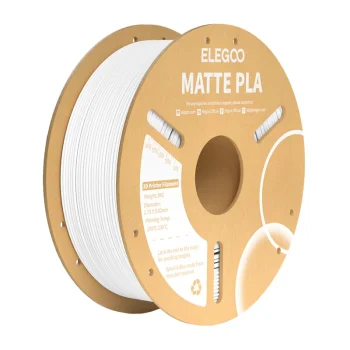
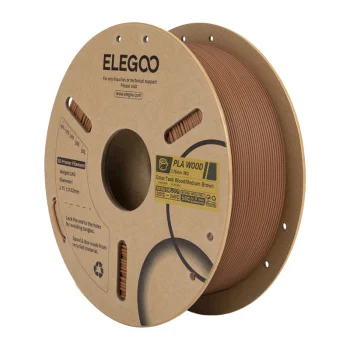
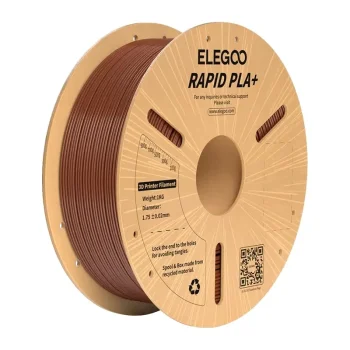
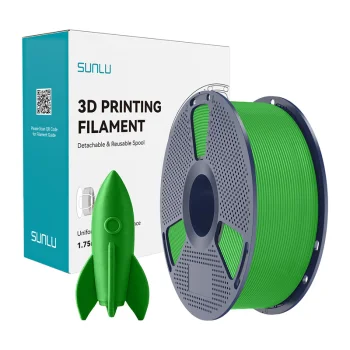
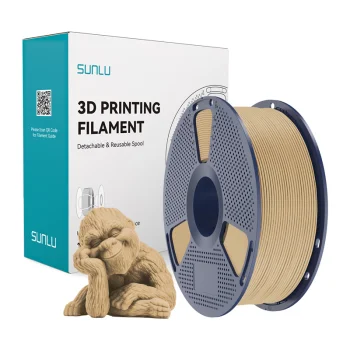
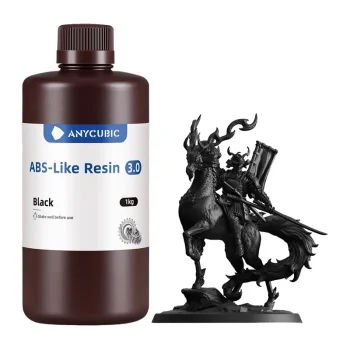
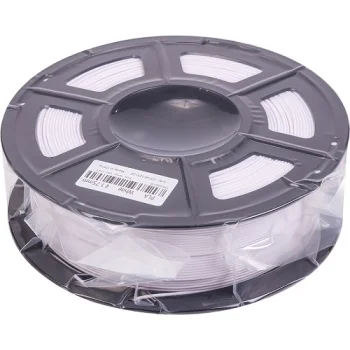
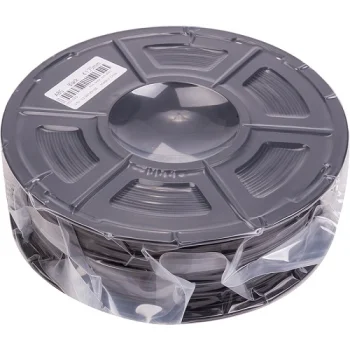
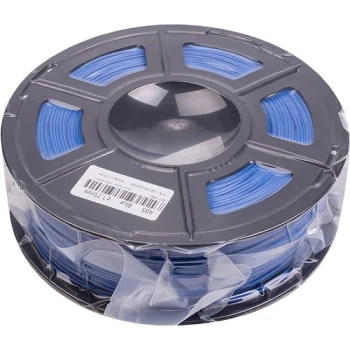
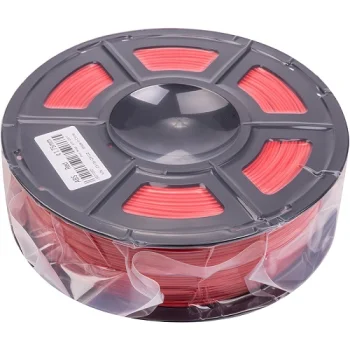
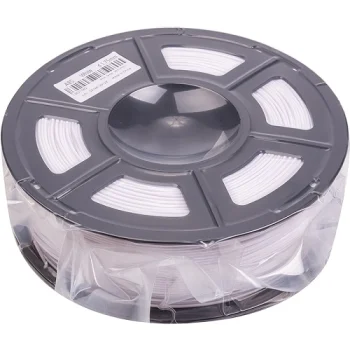
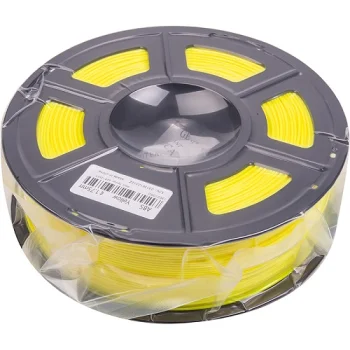
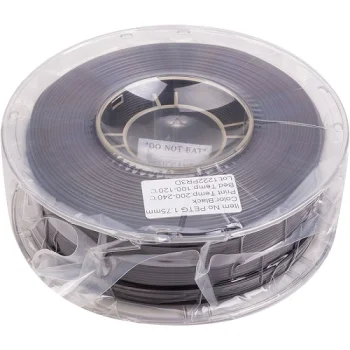
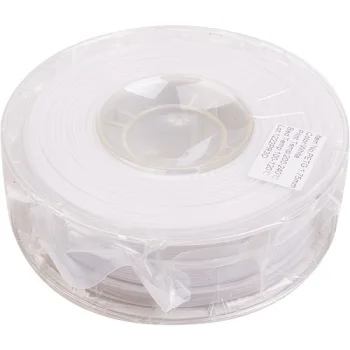
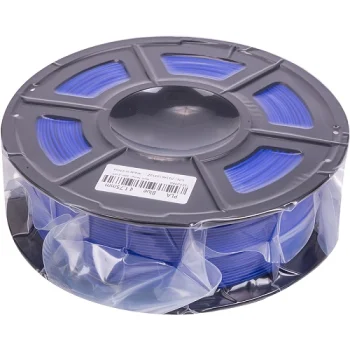
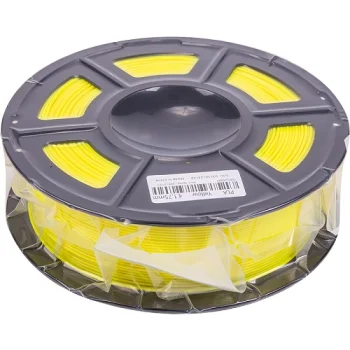
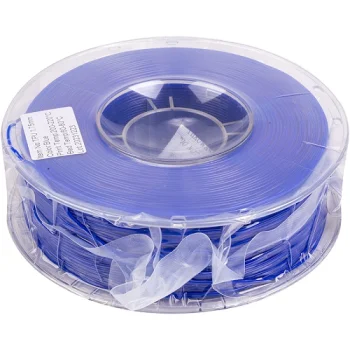
3D printer filaments and materials are essential for reliable printing results at home, in a workshop, or for study and prototyping. This category includes filament for a range of printing needs, from decorative models and concept pieces to replacement parts and everyday hobby projects. The assortment may include popular materials such as PLA and PETG, along with different colors, spool weights, and diameters. That makes it easier to match the material to your printer and to the type of object you want to print.
How to choose the right filament
Before buying, check which filament diameter and material types your 3D printer supports. PLA is often a practical choice for visual models, learning projects, and general use, while PETG is commonly selected for parts that need a more functional purpose. It is also worth comparing spool weight, color, and any special compatibility features, such as RFID marking in supported systems. Looking at these details can help you choose a filament that fits both your printer setup and your project goals.
- Material: choose PLA, PETG, or another option based on the print job.
- Diameter: confirm the filament size required by your printer.
- Spool weight: a 1 kg spool is convenient for regular printing and larger jobs.
- Color: pick a shade for display models, prototypes, or labeled parts.
- Use case: some materials suit visual models, while others are better for practical parts.
Browse the available 3D printing materials and compare filaments by type, diameter, color, and spool size to find the right option for your printer and your next project.
Frequently Asked Questions
How do I choose the correct filament diameter?
Check your printer specifications; 1.75 mm is common, but you should use the diameter supported by your specific printer.
What is the difference between PLA and PETG?
PLA is often easier for general printing and visual models, while PETG is commonly chosen for more practical and durable parts.
What does a 1 kg spool mean?
It usually refers to the weight of material on the spool; the actual filament length depends on the material and diameter.
Can RFID filament be used with any printer?
The material itself must match your printer requirements for type and diameter, while the RFID function works only in compatible systems.
What are the most popular 2026 products in category - 3D Printer Filaments & Materials
What are the newest products in category - 3D Printer Filaments & Materials
- Creality Hyper PLA 3D Printer Filament 1.75 mm 1 kg Red (Strawberry)
- Creality Ender-PLA+ 3D Printer Filament, 1.75 mm, 1 kg, Green
- Creality Ender-PLA 3D Printer Filament, 1.75 mm, 1 kg, Blue
- 3D Printer Filament Creality Ender-PLA 1.75 mm 1 kg, Red
- Creality Ender-PLA 3D Printer Filament 1.75 mm 1 kg, Gray