
New
Stabila
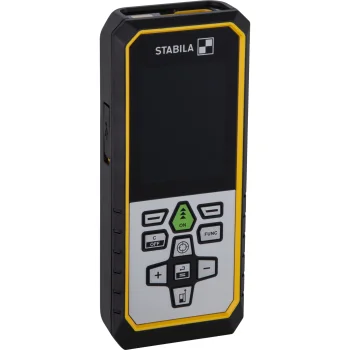
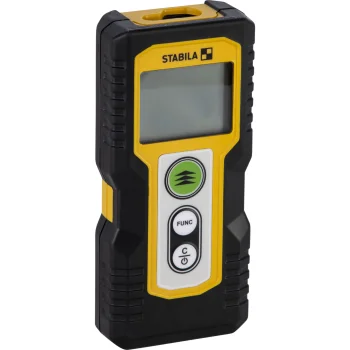
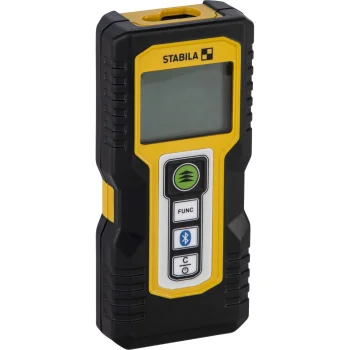
Laser Distance Measurer Stabila LD 530 BT 0.05–200 m with Camera & Bluetooth
Delivery in 7–15 business days
519.00 €
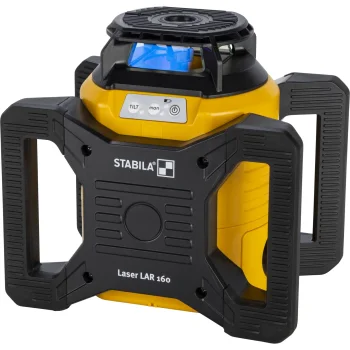
Laser levels and distance meters include Humberg and Ermenrich line lasers, DeWalt and STABILA rotary levels, and Leica and STANLEY distance measuring instruments. These tools suit room measurement, layout and installation work. Choose according to whether you need projected reference lines or a distance reading, then compare the stated working range, line arrangement and included mounting accessories.
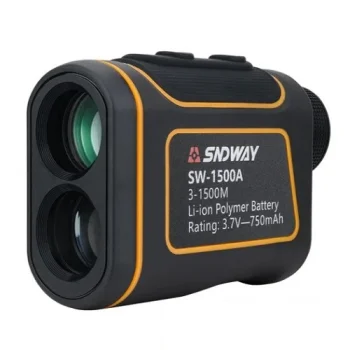
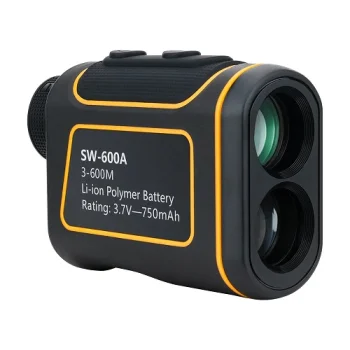
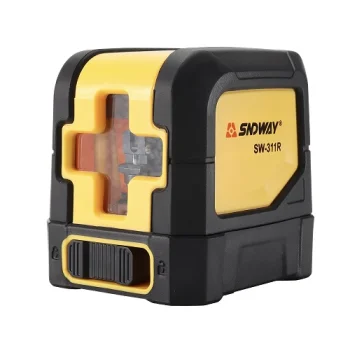
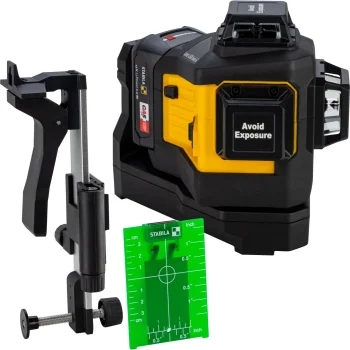
Laser levels and distance meters cover cross-line lasers, 360° models, rotary laser levels and instruments for measuring distances. Brands include Humberg, Ermenrich, Leica, Bosch and Sndway. The range features green-beam and self-leveling models, alongside sets supplied with a tripod, case, clamp or receiver. These differences help distinguish tools for layout work from instruments for room measurements.
Start with the measurement task. A line laser provides projected references for marking positions, while a distance meter provides a distance reading. Compare the stated operating range with the dimensions of the work area. For layout across several surfaces, consider the line arrangement and whether the model offers 360° coverage. Check the power requirements and included accessories for the individual instrument.
Distance meters suit room measurement, while line lasers provide references for finishing and installation layouts. For work that involves moving between locations, the supplied case and mounting method are useful practical comparison points.
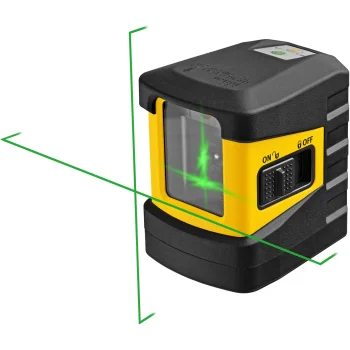
A laser level projects reference lines for layout work, while a laser distance meter measures distances. Choose the instrument according to whether the task requires a projected line or a distance reading.
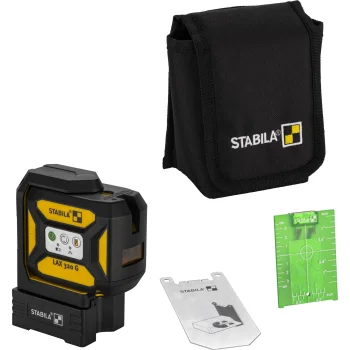
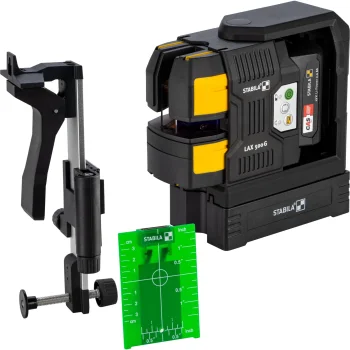
The Humberg HM-171 set includes a tripod and case. Other laser level sets have their own accessory lists, so check the individual product description.
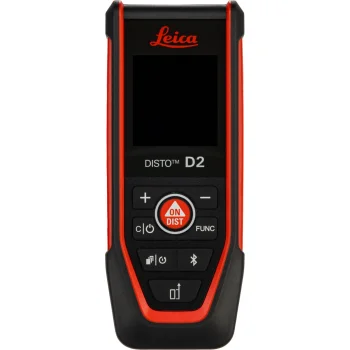
A laser distance meter should cover both the shortest and longest distances you intend to measure. The Leica DISTO D2 lists 0.05–150 m, while the STANLEY SLM100 lists 0.1–30 m.
+371 20408041
info@motivs.lv
Duntes 56, Rīga, LV-1005, Latvija
Monday: 10:00 - 19:00
Tuesday: 10:00 - 19:00
Wednesday: 10:00 - 19:00
Thursday: 10:00 - 19:00
Friday: 10:00 - 19:00
Saturday: Closed
Sunday: Closed
 Gudri pirkumi vienuviet