
Measuring instruments
Measuring instruments include laser levels, distance meters, multimeters, water and soil testers, environmental meters, tape measures, calipers and hand tally counters from brands including Uni-T, Stabila and Fnirsi. These tools suit home repairs, component measurements, electrical checks and monitoring environmental conditions. Choose according to the quantity being measured, the required measurement range and how you prefer to read the results.
Bestsellers

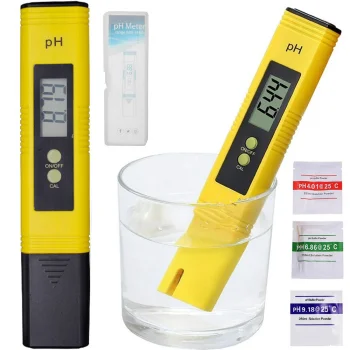
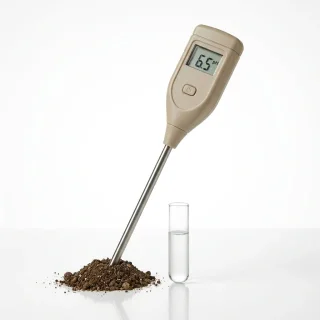
Water Tester pH Meter Water Quality Analysis
In stock
11.40 €
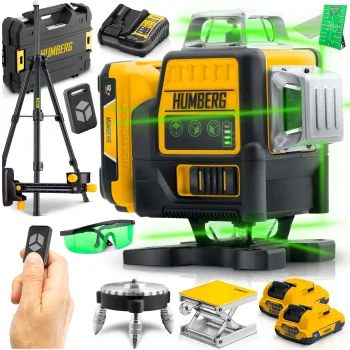
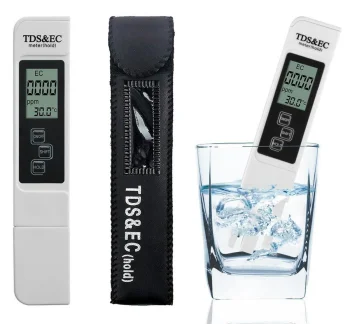
Water Hardness Tester Salt Meter TDS/EC Water Quality Analysis
In stock
8.90 €
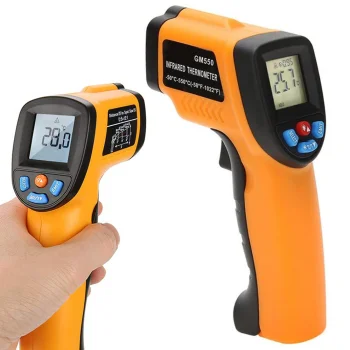
Infrared Non-Contact Laser Thermometer Pyrometer -50 +550°C
In stock
14.50 €
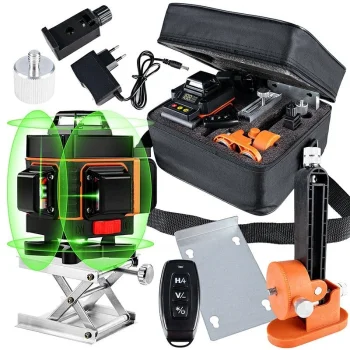
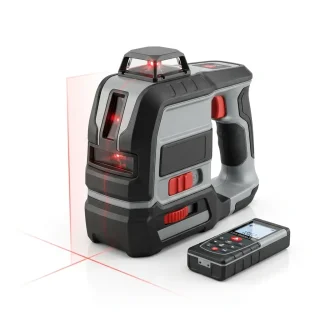
Carruzzo 4D Cross Line Laser Level 360°
In stock
47.10 €


Measuring instruments cover distance, dimensions, electrical quantities and environmental readings. The range includes laser levels and distance meters, multimeters and electrical testers, water and soil testers, and temperature and humidity meters. Tape measures, rulers, spirit levels, calipers, sizing gauges and hand tally counters support manual measuring and counting tasks. Brands include Uni-T, Stabila, Fnirsi, Habotest, Stanley Black&Decker, Mileseey, Sndway and Ermenrich.
How to choose measuring instruments
Start with the quantity you need to measure, then compare the stated measurement range, accuracy and units. Consider whether a scale or digital display suits the task and how readings will be recorded. For electrical work, the instrument's stated operating limits and safety instructions must match the intended application. A digital display makes results readable on screen but does not, by itself, establish measurement accuracy.
- Laser levels and distance meters: laser levels provide reference lines for alignment, while distance meters measure distances. Choose according to the marking or surveying task.
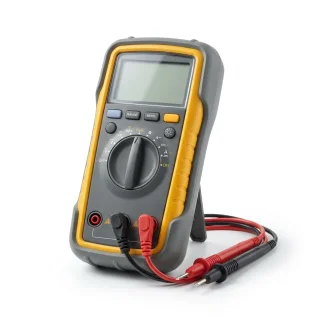
- Multimeters and electrical testers: compare the supported measurements and ranges. Options include digital multimeters with LCD displays and clamp meters.
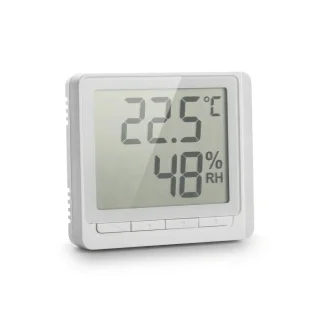
- Water, soil and environmental testers: select the instrument for the parameter you need. Water pH measurements and TDS/EC readings provide different information.
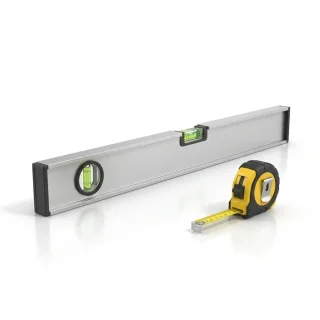
- Tape measures, rulers and spirit levels: these tools support length measurement, marking and alignment checks. Consider the required scale length and readability.
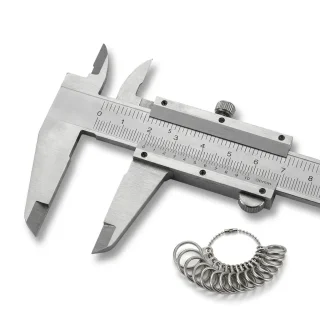
- Calipers and sizing gauges: use these tools to measure or compare component dimensions. Digital calipers display measurements on an LCD screen.
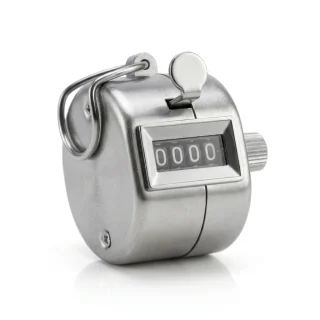
- Hand tally counters: these counters record repeated events or individual items. Mechanical versions operate without batteries.
The subcategories group measuring instruments by task, from room measurements and repair layouts to electrical checks, water monitoring and component sizing. Hand tally counters provide a separate option for counting rather than dimensional measurement.
Frequently Asked Questions
What is the difference between a laser level and a distance meter?
A laser level provides reference lines for alignment and positioning. A laser distance meter measures the distance to a target.
What should I compare when choosing a multimeter?
Compare the multimeter's supported measurements, measurement ranges and stated accuracy. The multimeter's operating limits and safety requirements must suit the intended electrical work.
Do pH meters and TDS/EC testers measure the same thing?
A water pH meter measures acidity or alkalinity, while a TDS/EC tester provides readings related to dissolved substances and electrical conductivity. These readings alone do not establish whether water is safe to drink.
Does a mechanical hand tally counter need batteries?
A mechanical hand tally counter operates without batteries. Hand tally counters are used to record repeated events or count individual items.
 Gudri pirkumi vienuviet