
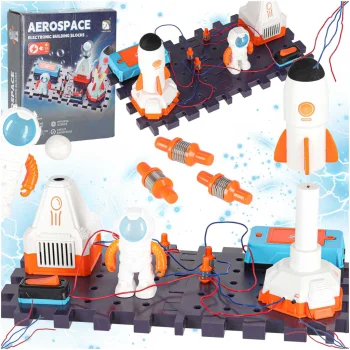
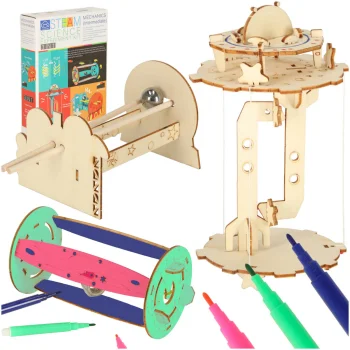
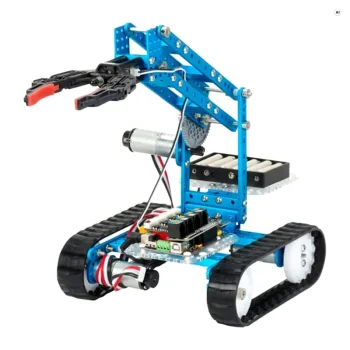
Educational Electronics Kit - Space Station
In stock
13.60 €
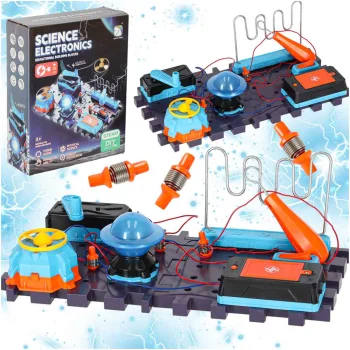
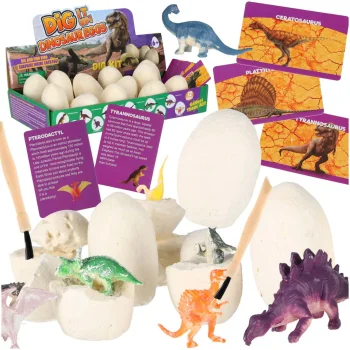
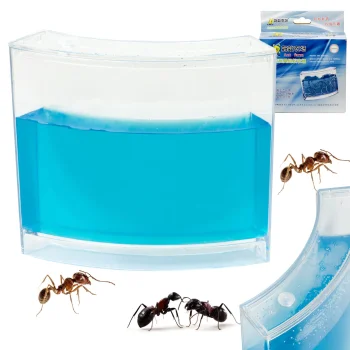
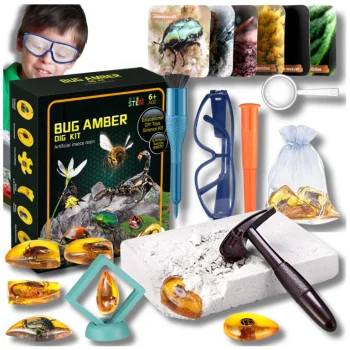
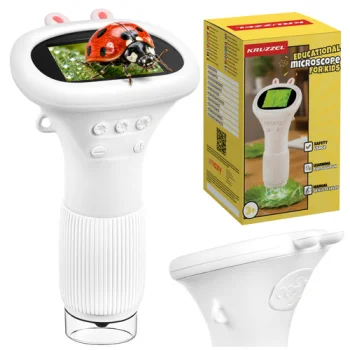
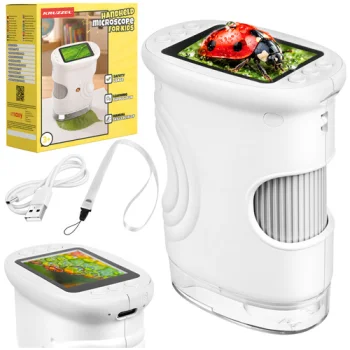
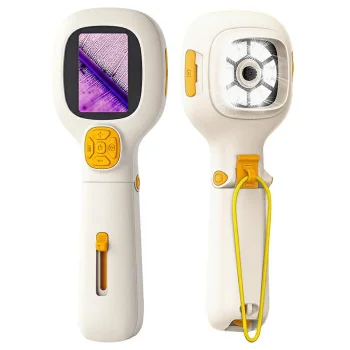
Science kits, microscopes and telescopes include observation instruments, electronics experiment kits, anatomical models, ant farms and dinosaur dig sets, with brands including Xtool, 4Fizjo, Kruzzel and Ricokids. These products suit children interested in nature, astronomy, electricity or the human body. Choose by the child's interests first, then compare the stated age guidance, included accessories and space needed for the activity.
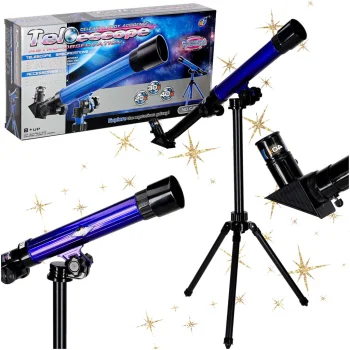
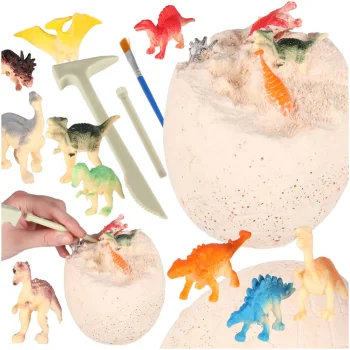
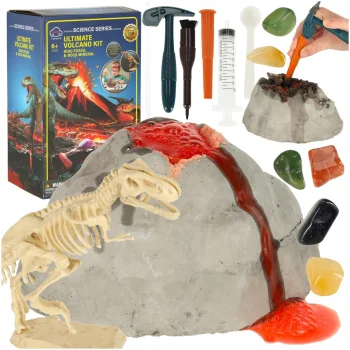
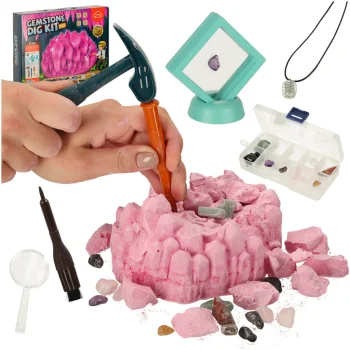
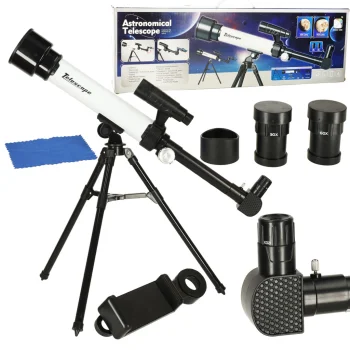
Science kits, microscopes and telescopes introduce different areas of science through observation and practical activities. The range includes children's microscopes with accessories, astronomical telescopes with tripods, electronics experiment kits and gel ant farms. Human skeleton models and wooden anatomy puzzles support exploration of body structure, while dinosaur dig kits offer excavation activities. Featured brands include Xtool, 4Fizjo, Kruzzel and Ricokids.
Start with the subject the child wants to explore: small objects, the night sky, electricity, living creatures or anatomy. Check the stated age guidance, contents and instructions for each product. For microscopes and telescopes, compare magnification alongside the included accessories. For skeleton models and ant farms, consider dimensions and where the item will stand. Experiment kits also need a suitable workspace for the activities described.
Microscopes, telescopes and ant farms suit observation sessions at home. Electronics and dinosaur dig kits provide hands-on activities, while anatomical models and puzzles support discussion of the human body. For shared family activities, consider the available table space and time needed to work through the chosen set.
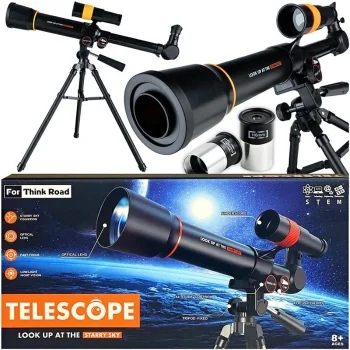
A microscope is used to view small objects under magnification. An astronomical telescope is intended for observing distant objects in the sky.
Choose a science kit using the age guidance and activity description provided for the individual product. Read the instructions to understand how the activities should be carried out.
Check the microscope or telescope's stated magnification, accessory list and whether a tripod is included. The contents should be checked for the individual instrument.
Human skeleton models and wooden anatomy puzzles introduce body structure and body parts. When choosing a skeleton model, consider its dimensions and the space available for its stand.
+371 20408041
info@motivs.lv
Duntes 56, Rīga, LV-1005, Latvija
Monday: 10:00 - 19:00
Tuesday: 10:00 - 19:00
Wednesday: 10:00 - 19:00
Thursday: 10:00 - 19:00
Friday: 10:00 - 19:00
Saturday: Closed
Sunday: Closed




 Gudri pirkumi vienuviet