

-34%
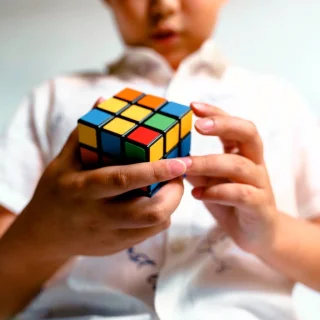
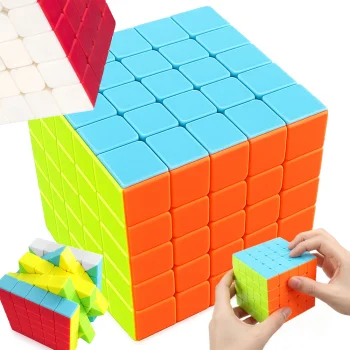
Logic Toy Rubik's Cube 3x3
In stock
5.90 €8.90 €
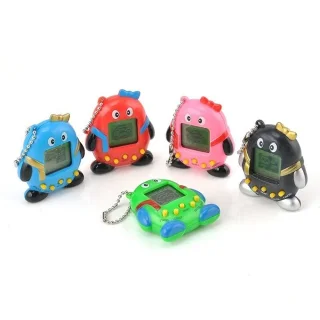
Board games, puzzles and brain teasers include family games, Rubik's cubes, electronic pet games and science activities, with brands such as Kruzzel, Ravensburger and Gotel represented. These activities suit shared family time, independent problem solving and observation. Choose by the child's interests, then compare the recommended age, number of players and complexity of the individual game or set.
Board games, puzzles and brain teasers offer activities for children and families, from chess and fishing games to picture puzzles and logic challenges. The range also includes electronic games, science kits, microscopes and telescopes. Represented brands include Kruzzel, Ravensburger and Gotel. Different activity types provide a choice between playing together, assembling a picture and exploring through observation.
Start with the intended activity: a shared game, an individual challenge or a closer look at the natural world. Compare the recommended age, player count, included components and instructions in the individual product description. For puzzles, consider the picture and piece count; for brain teasers, look at the mechanism and the task to solve.
Explore board games for shared play, puzzles for picture assembly, and Rubik's cubes and brain teasers for individual challenges. Science kits and electronic games provide further options for children who prefer observation or interaction with a game device.
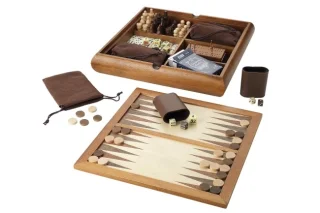
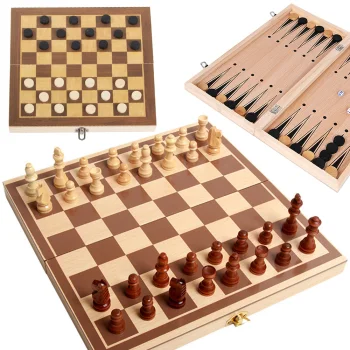
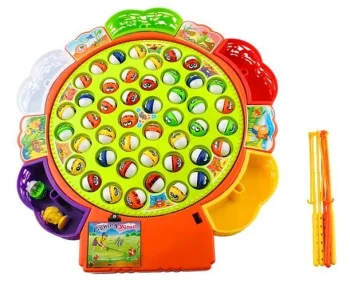
For a family board game, compare the recommended age, number of players and rules. Chess, checkers, backgammon and fishing games involve different types of play.
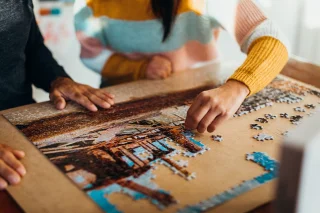
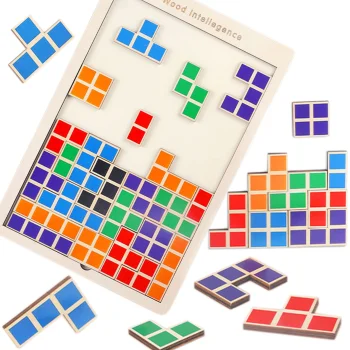
For a children's puzzle, consider the piece count, picture and recommended age. Match the scale of the puzzle to the child's interests and previous experience.
A Rubik's cube is solved by changing the positions of its sections. A jigsaw puzzle involves joining separate pieces to form a picture.
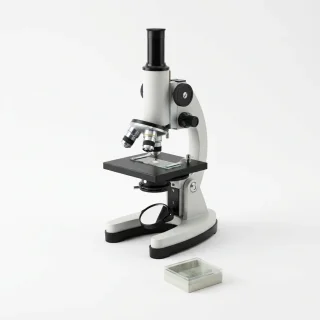
For a children's microscope, compare the stated magnification, included accessories and usage instructions. The choice should reflect the objects the child wants to examine.
+371 20408041
info@motivs.lv
Duntes 56, Rīga, LV-1005, Latvija
Monday: 10:00 - 19:00
Tuesday: 10:00 - 19:00
Wednesday: 10:00 - 19:00
Thursday: 10:00 - 19:00
Friday: 10:00 - 19:00
Saturday: Closed
Sunday: Closed

 Gudri pirkumi vienuviet