
Tripods for Cameras
Camera tripods provide stability and precise framing for both photo and video work. This category includes travel tripods, studio tripods, tabletop stands and lightweight carbon fiber options — ideal for landscapes, portraits, macro and vlogging. Browse different heights, head types and load capacities to find a tripod that matches your camera and shooting style.
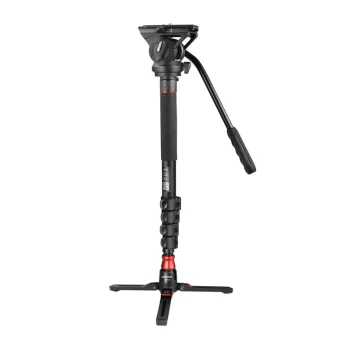
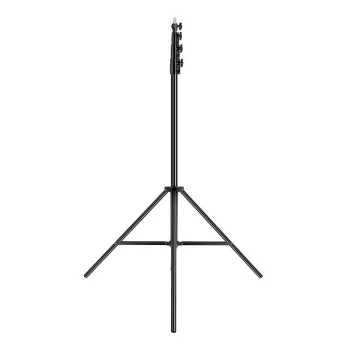
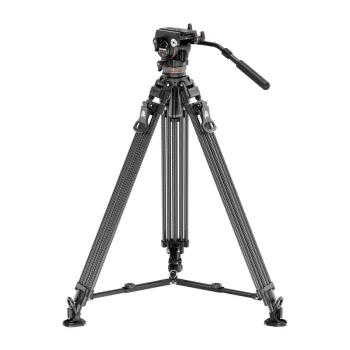
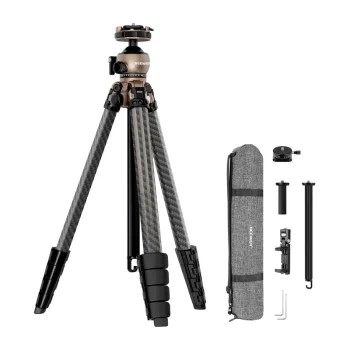
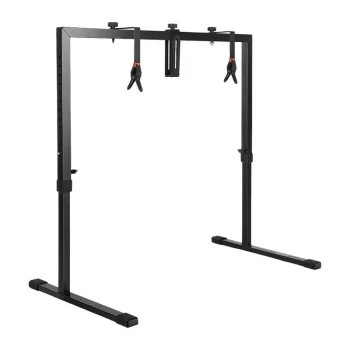
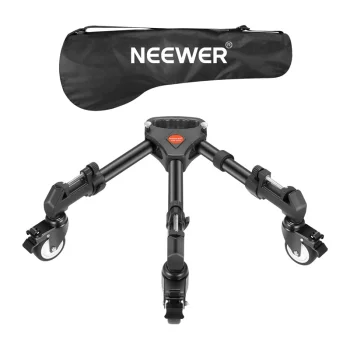
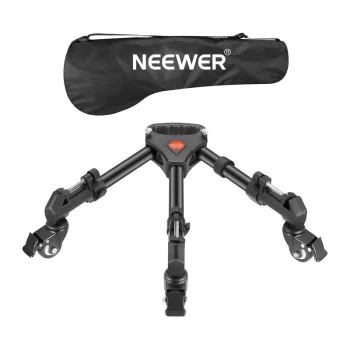
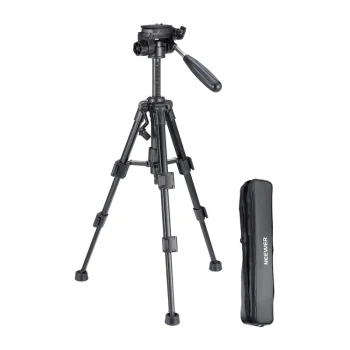
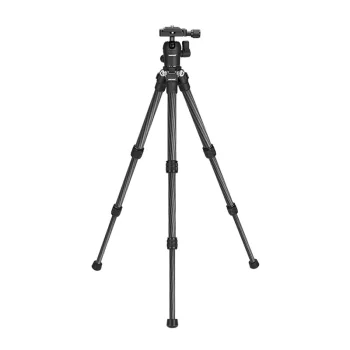
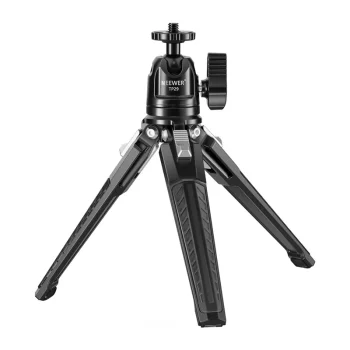
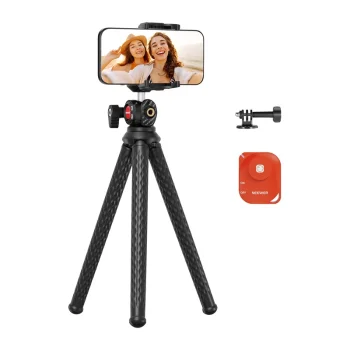
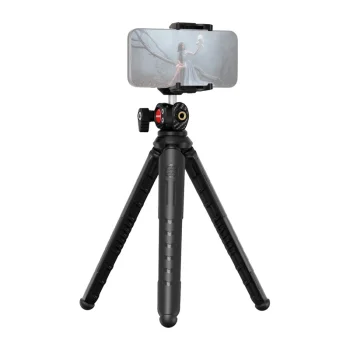
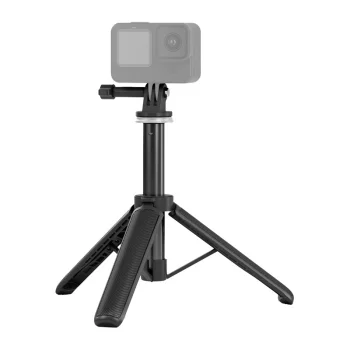
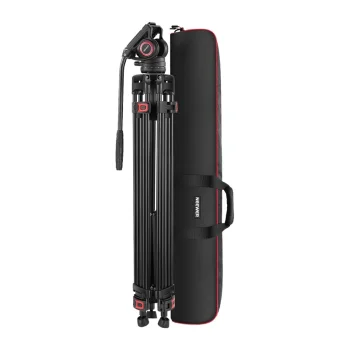
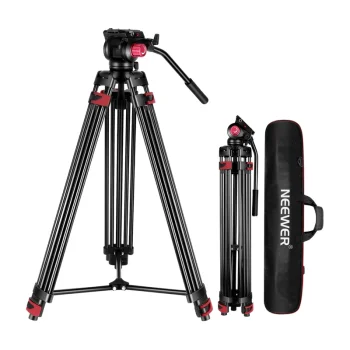
Camera tripods are an essential tool for photographers and videographers at every level. In this category you will find a wide range of tripods: compact travel tripods, lightweight carbon fiber models, robust aluminum studio tripods, tabletop tripods for macro work, and multipurpose three-legged supports with interchangeable heads. Available head types include ball heads, pan-tilt heads and fluid video heads, while many models offer quick-release plates and adjustable leg angles.
Common use cases include long-exposure landscape and night photography, travel and street photography, studio portrait sessions, smooth pans and tilts for video work, vlogging, live streaming and precise macro photography. Travelers will appreciate compact folded length and low weight, professionals will seek high load capacity and rock-solid stability, and hobbyists often prioritize easy setup and reliable leg locks.
Key features to consider: material (aluminum vs carbon fiber), maximum working height and folded length, tripod weight, number of leg sections, leg-lock type (twist vs flip locks), head compatibility and foot type (rubber feet or spikes). Carbon fiber tripods are lighter and better at damping vibrations, while aluminum tripods are generally more affordable and durable in rough handling.
How to choose the right tripod: first calculate the total weight of your camera and lens — the tripod should support at least 1.5× that weight for safe and stable operation. For travel, prioritize compactness and low weight; for studio and video work, prioritize maximum stability and smooth head movement. Choose a head type according to tasks: ball heads are quick for stills, fluid heads are better for smooth video motion.
Maintenance tips: clean locks and joints after use, especially if exposed to sand or dirt; check and tighten screws periodically; store the tripod in a protective case; avoid saltwater exposure. Light lubrication of moving parts may be helpful if the manufacturer recommends it, but avoid over-lubrication that could attract dust.
- Improved stability and sharper images
- Choice of materials: carbon fiber or aluminum
- Supports a range of loads from compact cameras to pro rigs
- Various heads: ball, pan-tilt, and fluid
- Compact travel and tabletop models available
- Adjustable height, leg angles, and foot types