
- Gifts & Party Decorations
- Phone Accessories
- Photo & Video
- Computers & Electronics
- Sports & Fitness
- Beauty & Health
- Car & Motorcycle Accessories
- Bicycle Accessories
- Home & Living
- Garden & Outdoor
- Baby & Kids Products
- Games, Hobbies & Leisure
- Travel & Outdoor Activities
- Pet Supplies
- Discounted Items & Products with Defects
Camera and phone gimbals
Stabilizers (gimbals) help you capture smooth video with smartphones, action cams and mirrorless or DSLR cameras. This category includes 2‑ and 3‑axis handheld gimbals, compact rigs and accessories — perfect for vloggers, travelers and hobby filmmakers. Browse by payload, battery life and control features to find a stabilizer that fits your shooting style.
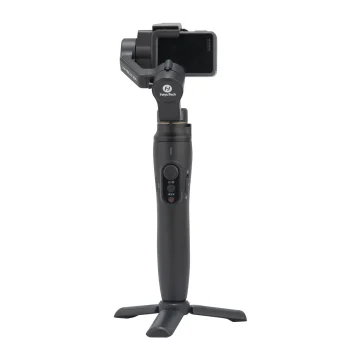
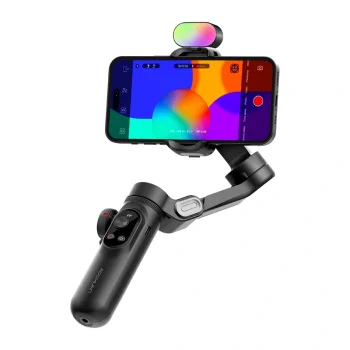
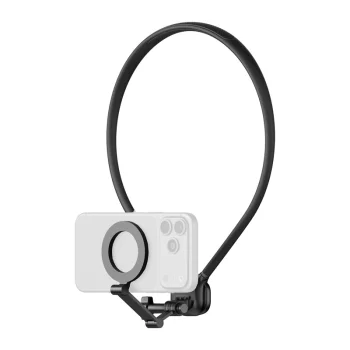
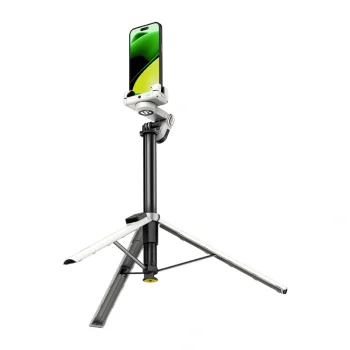
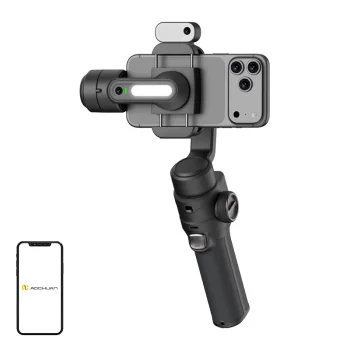
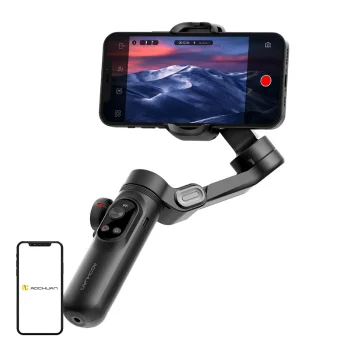
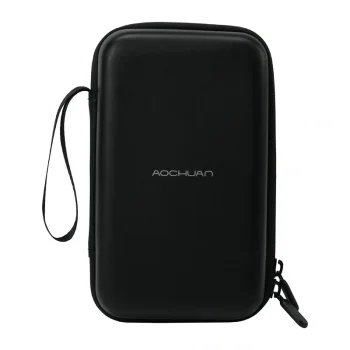
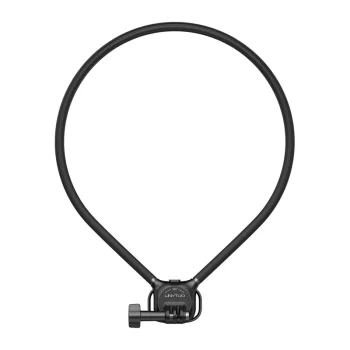
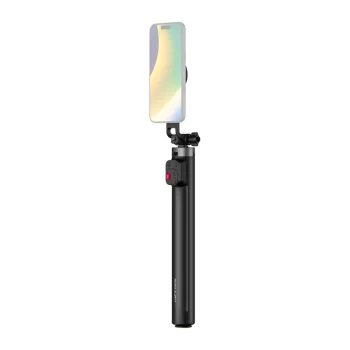
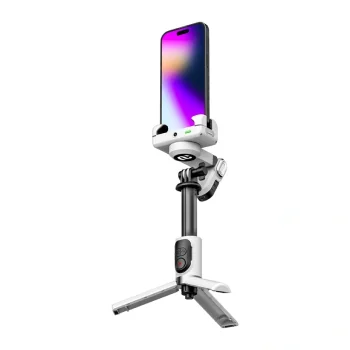
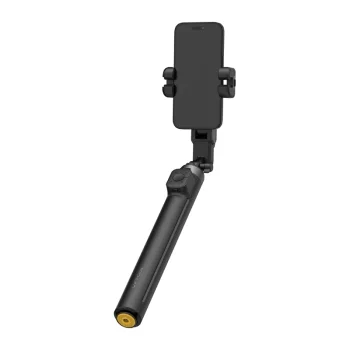
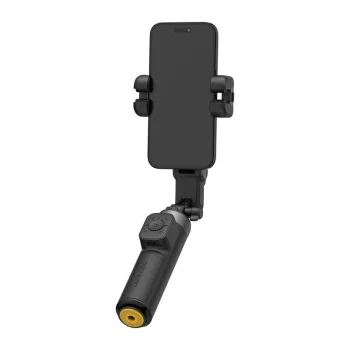
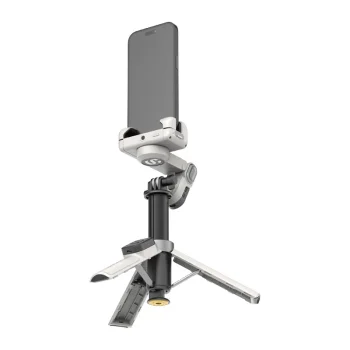
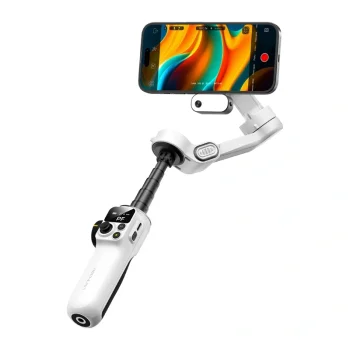
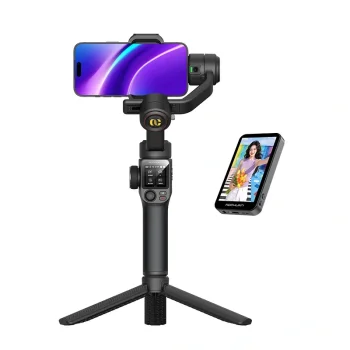
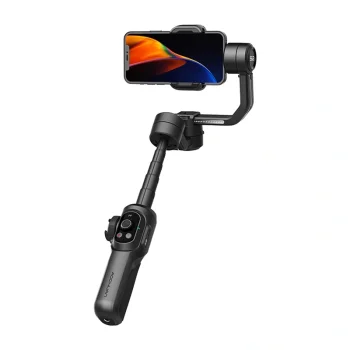
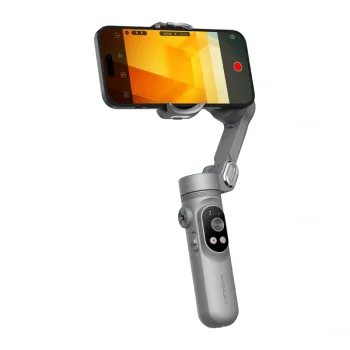
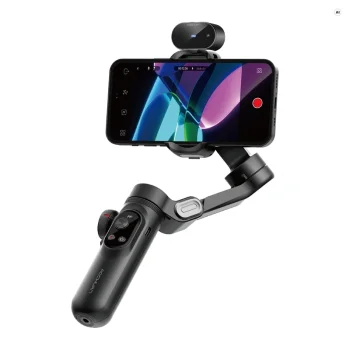
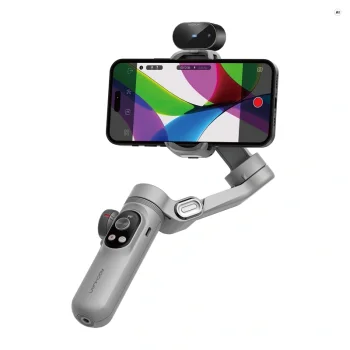
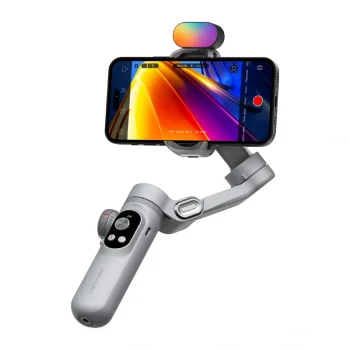
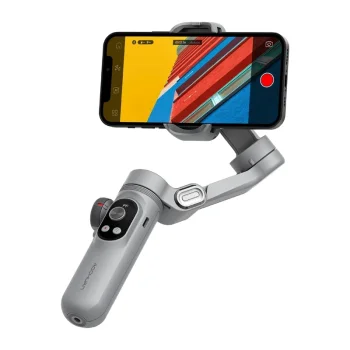
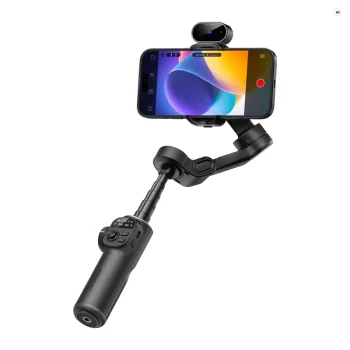
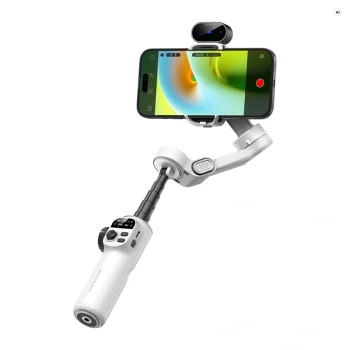
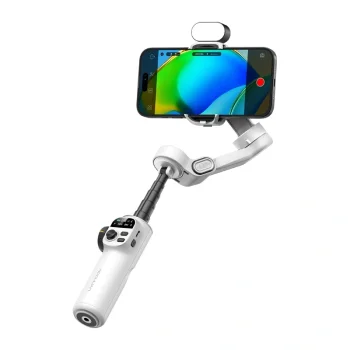
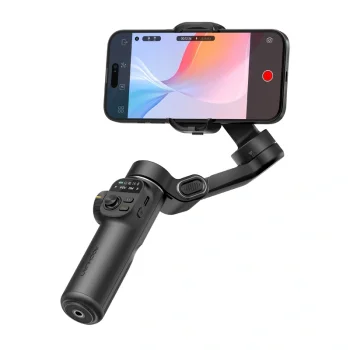
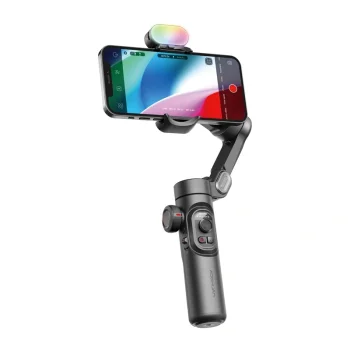
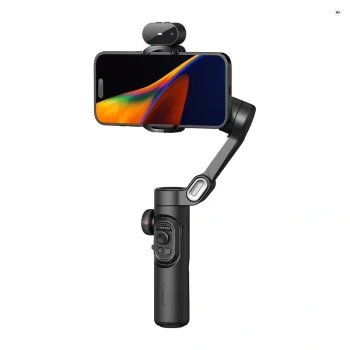
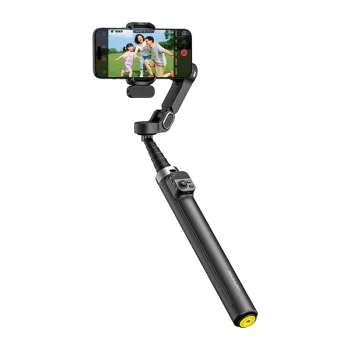
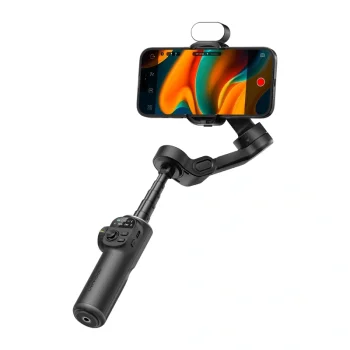
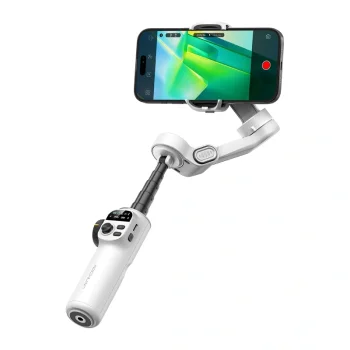
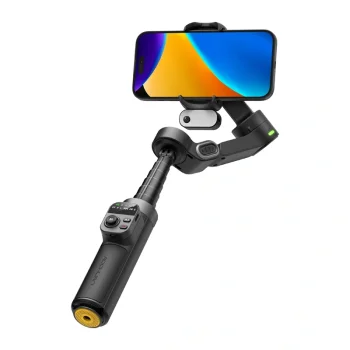
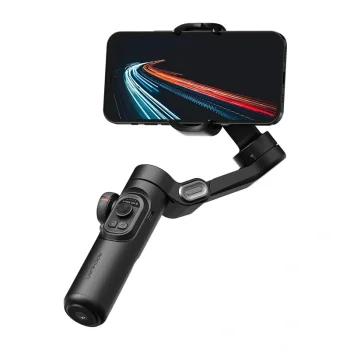
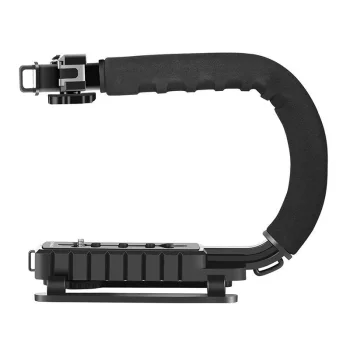
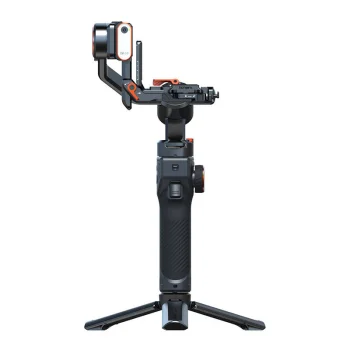
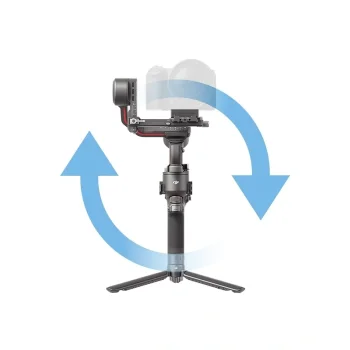
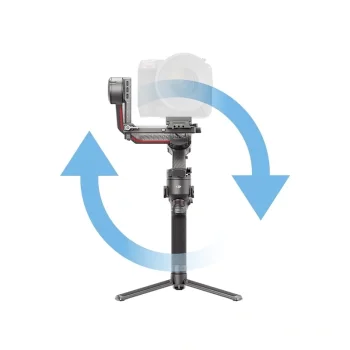
Video stabilizers, commonly called gimbals, reduce camera shake and create professional-looking motion in footage. In this category you will find a range of products: 3‑axis and 2‑axis gimbals for phones and cameras, action camera mounts, handheld stabilizers, and modular rigs for heavier setups. There are also accessories like quick‑release plates, tripods and carrying cases to complement your kit.
Handheld gimbals are popular with vloggers and travelers because they are lightweight and easy to operate, enabling smooth walking shots and cinematic pans. Modular rigs and steadicam systems are frequently used in commercial shoots, weddings and events where longer shooting sessions and higher payloads are needed. Action camera stabilizers are designed for sports and outdoor use, offering compact form factors and quick mounting options.
Key features to consider include the number of axes (3‑axis provides stabilization across pitch, roll and yaw), payload capacity, motor torque, battery life and connectivity options (Bluetooth, Wi‑Fi or app control). Materials such as aluminum, magnesium alloys and carbon fiber offer a balance between durability and light weight. Balance adjustment and calibration are crucial for optimal performance and reduced motor strain.
How to choose the right stabilizer: check the weight of your camera and lenses against the gimbal's maximum payload. Consider battery endurance if you shoot long sessions or events, and look at charging options like USB‑C fast charging or swappable batteries. If portability matters, choose foldable designs and compact carrying cases. For advanced use, evaluate follow modes, subject tracking, remote controls and compatibility with accessories like monitors and microphones.
Maintenance is straightforward: keep moving parts clean, update firmware when available and store the gimbal in a protective case. When using outdoors, be mindful of weather conditions and avoid exposing the device to heavy rain unless it's rated for water resistance.
- 2‑axis and 3‑axis gimbals for various devices
- Compatibility with smartphones, action cams and mirrorless/DSLR cameras
- Adjustable payload and precise balance controls
- Lightweight, durable materials like aluminum and carbon fiber
- Multiple shooting modes and app integration
- Battery life and charging options
- Accessories: quick‑release plates, tripods, cases