
Camera lenses and macro lenses
Camera lenses include Laowa macro lenses, Probe lenses and other photographic lenses, alongside options from Astrhori and Yongnuo. They suit photographers working with small subjects, fine textures and different angles of view. Start with the camera mount, then compare focal length and magnification to match the lens to the photographs you want to create.
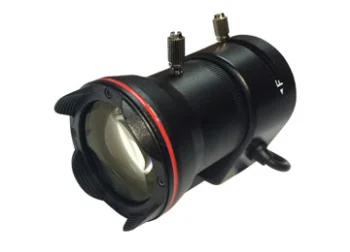
Camera lenses offer different ways to frame a subject, from a wider view to close studies of small details. The selection includes Laowa, Astrhori and Yongnuo, with Laowa Macro, Ultra Macro and Probe lenses among the options. Different focal lengths and magnification ratios make these lenses relevant to product photography, textures and small natural subjects.
How to choose camera lenses
Check the lens mount against your exact camera model before comparing other features. Mount designations include Canon RF, Canon EF, Sony E, Nikon F, Nikon Z, Leica L, Pentax K and MFT. Next, consider focal length, the stated aperture and macro magnification. Similar lens names can describe different versions, so the intended photographic task should guide the comparison.
- Macro lenses: Designed for photographing small subjects and fine details. Laowa Macro and Ultra Macro lenses have different magnification specifications, which determine how large a subject can appear on the sensor.
- Magnification: A 2:1 ratio means the image on the sensor is twice the subject's actual size. Selected Laowa Ultra Macro models specify 2.5–5X magnification for smaller details.
- Probe lenses: Laowa Probe options feature a 24 mm focal length and 2:1 magnification. Consider this lens type for close views where the surrounding scene also matters.
- Focal length: This affects the angle of view and framing. Options include 17 mm lenses as well as macro lenses with longer focal lengths.
- Aperture: Markings such as f/1.8, f/2.8, f/5.6 and f/14 identify different models. A lower f-number indicates a wider aperture; consider available light and the desired depth of field.
For miniature subjects and textures, prioritise the required magnification. For compositions that include more surroundings, give greater attention to angle of view. These criteria help connect the lens choice to a specific photographic use.
Frequently Asked Questions
How do I choose a lens that fits my camera?
The lens mount must match the camera system, so check compatibility with the exact camera model. Canon RF, Canon EF, Nikon F and Nikon Z identify different mounts.
What does 2:1 magnification mean on a macro lens?
A macro lens with 2:1 magnification produces an image on the sensor that is twice the subject's actual size. This magnification is useful for recording small details.
What is the difference between focal length and magnification?
Lens focal length affects the angle of view and framing. Macro magnification describes the size of the image on the sensor relative to the subject's actual size.
What does the f-number in a lens name mean?
A lens f-number describes its relative aperture. A lower f-number indicates a wider aperture, which matters when considering available light and depth of field.