
Rotary Hammers and Impact Drills
Rotary hammers and impact drills are essential power tools for construction, renovation, and installation tasks. In this category, you will find dependable solutions designed for drilling into concrete, brick, masonry, wood, and metal, as well as light chiseling. Choose the right tool to achieve clean results, maximum productivity, and long-lasting durability.
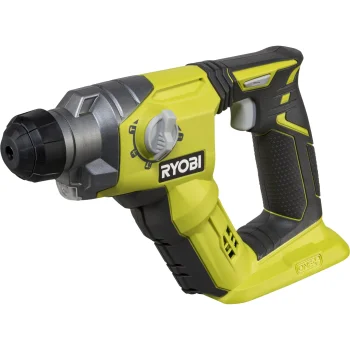
Rotary hammers and impact drills provide the necessary power and versatility to tackle hard materials efficiently. While an impact drill is a versatile choice for wood, metal, and light masonry, a rotary hammer uses a dedicated pneumatic mechanism to deliver powerful blows, making it ideal for tough concrete and demolition tasks.
How to Choose the Right Tool
Selecting the right power tool depends on the materials you work with and the intensity of your projects:
- Tool Type: Impact drills are compact and versatile for everyday drilling, whereas rotary hammers are built for heavy-duty drilling and chiseling in concrete.
- Chuck System: Standard keyless or keyed chucks for round-shank bits, or SDS-Plus and SDS-Max systems for quick, heavy-duty hammer bit changes.
- Impact Energy: Measured in Joules (J) on rotary hammers, indicating the striking power and penetration efficiency.
- Operating Modes: Look for multi-mode switches offering rotary-only, hammer-drilling, and chisel-only functions.
- Power Source: Corded tools deliver steady power for prolonged use, while cordless battery platforms offer convenience and mobility on the job.
Investing in a suitable rotary hammer or impact drill ensures smooth operation, increased user comfort, and dependable results across all your projects.
Frequently Asked Questions
What is the primary difference between an impact drill and a rotary hammer?
An impact drill uses mechanical friction discs for light masonry drilling, while a rotary hammer uses an electro-pneumatic piston for heavy drilling and chiseling in dense concrete.
What is an SDS chuck system?
An SDS chuck allows slotted drill bits and chisels to be inserted quickly without tools, improving power transfer and preventing bit slippage.
Can a rotary hammer drill into wood and metal?
Yes, by switching to drilling-only mode and using a suitable chuck adapter or interchangeable quick-release chuck for standard cylindrical bits.