
Hearing and Respiratory Protection
Hearing and respiratory protection is a vital part of personal safety equipment in noisy, dusty, or hazardous working environments. This category includes earplugs, ear defenders, dust masks, and respirators suitable for construction, workshops, maintenance, and home DIY. Select reliable protective gear that shields against harmful particles and excessive sound levels without compromising daily working comfort.
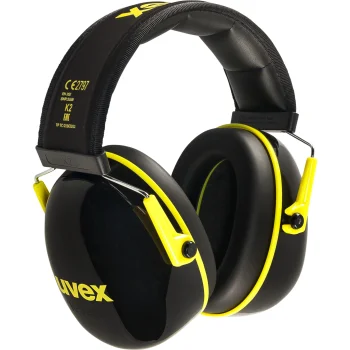
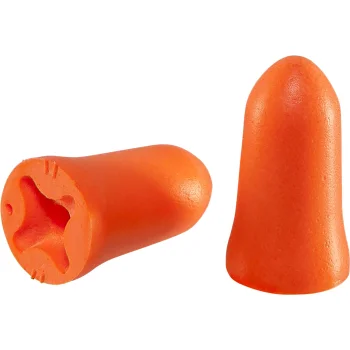
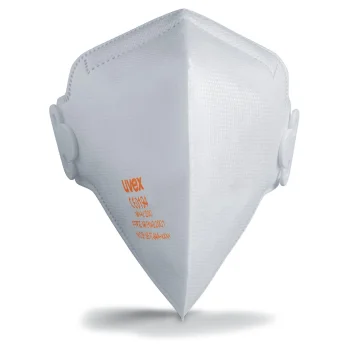
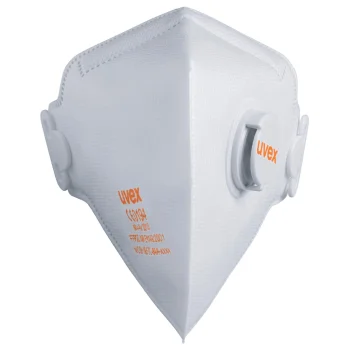
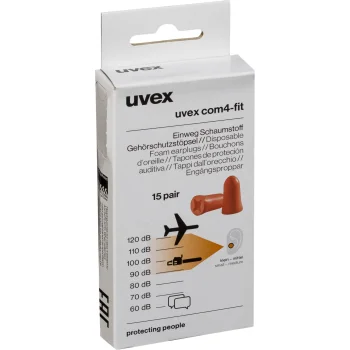
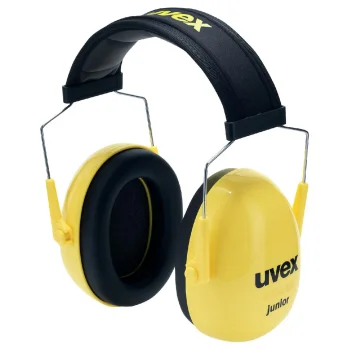
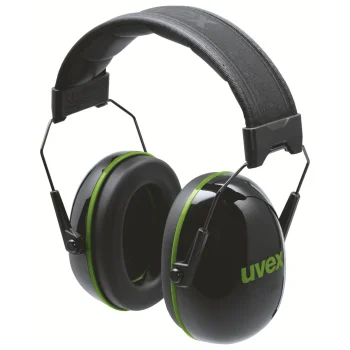
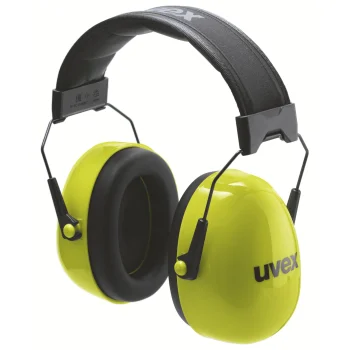
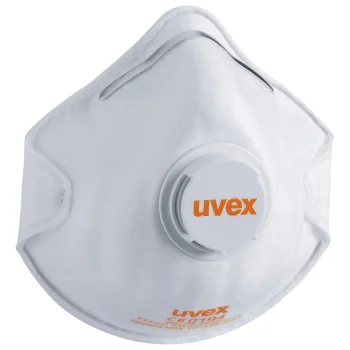
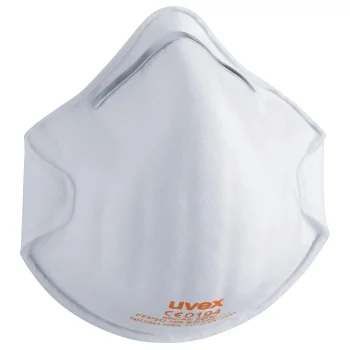
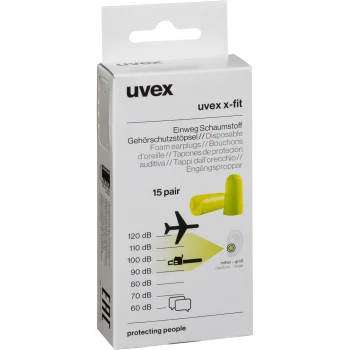
Whether you are handling heavy power tools, cutting masonry, or painting surfaces, protecting your ears and lungs is essential for long-term health. Reliable personal protective equipment helps prevent occupational hazards caused by dust, airborne chemicals, and persistent loud noise.
Choosing the Right Hearing and Respiratory Gear
Selecting appropriate equipment depends on the specific conditions of your work environment and the types of airborne or acoustic hazards present:
- Earplugs: lightweight and discreet, ideal for intermittent noise exposure or wearing under additional headgear.
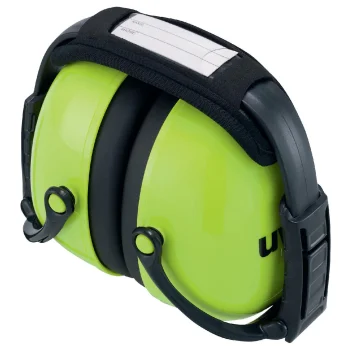
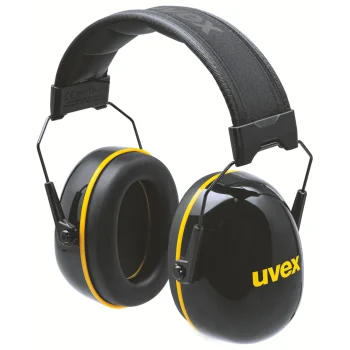
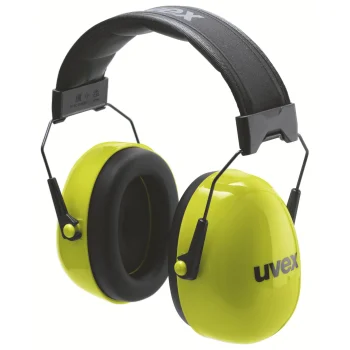
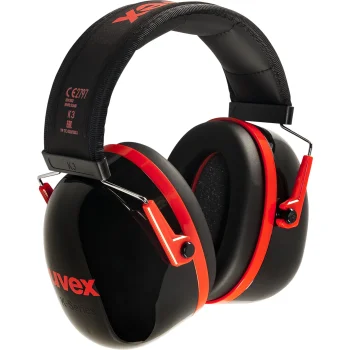
- Earmuffs and ear defenders: provide high attenuation for intense noise levels such as drilling, sawing, and demolition.
- Dust masks: designed to filter solid particles during sanding, sweeping, or general building tasks.
- Respirators with replaceable filters: offer enhanced protection against organic vapours, mists, and paint sprays.
- Ergonomic fit: adjustable straps and soft cushions ensure all-day comfort and an airtight protective seal.
Investing in dependable safety equipment keeps you focused and safeguarded throughout every project. Browse our selection today and find the right protection for your workspace.
Frequently Asked Questions
When should I use ear defenders instead of earplugs?
Ear defenders are preferable in very loud environments or when you need to quickly take hearing protection on and off throughout the workday.
What is the difference between a dust mask and a vapour respirator?
A dust mask filters airborne solid particles, whereas a vapour respirator uses specialized chemical filters to block gases, fumes, and solvents.
How often should filters on respirators be replaced?
Filters should be changed when breathing becomes noticeably difficult, when you detect odours, or according to the manufacturer's operational schedule.
What are the most popular 2026 products in category - Hearing and Respiratory Protection
- Uvex K20 HiViz Earmuffs, SNR 33 dB, Green/Black
- Kids Noise-Cancelling Earmuffs Kidywolf Kidynoise Green
- Kids Hearing Protection Earmuffs Kidywolf Kidynoise, up to 25 dB, Blue
- Respirator Mask uvex silv-Air class.3210 FFP2 with Valve, 3 Pack, White
- uvex silv-Air class.2210 FFP2 Respirator Mask with Valve, 3 Pack, White
What are the newest products in category - Hearing and Respiratory Protection
- 3M Peltor Optime III H540A Hearing Protection Earmuffs 35 dB, Black/Red
- Earplug Refill Box uvex com4-fit for one2click Dispenser, 33 dB, 300 Pairs
- uvex K2 Foldable Hearing Protection Earmuffs, 31 dB SNR, Green / Black
- 3M Peltor Optime III H540B Earmuffs with Neckband, 35 dB
- uvex K30 Hearing Protection Earmuffs, Foldable, SNR 36 dB, Black / Red