
- Gifts & Party Decorations
- Phone Accessories
- Photo & Video
- Computers & Electronics
- Sports & Fitness
- Beauty & Health
- Car & Motorcycle Accessories
- Bicycle Accessories
- Home & Living
- Garden & Outdoor
- Baby & Kids Products
- Games, Hobbies & Leisure
- Travel & Outdoor Activities
- Pet Supplies
- Discounted Items & Products with Defects
Blood Pressure Monitors & Pulse Oximeters for Daily Checks
This category includes blood pressure meters and pulse oximeters for convenient everyday health checks at home or on the go. You can find wrist and upper arm blood pressure monitors, as well as fingertip pulse oximeters with display. These devices help users keep track of blood pressure, pulse rate, and blood oxygen saturation while comparing compact and easy-to-use formats for different needs.
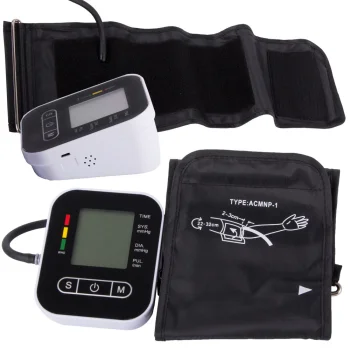
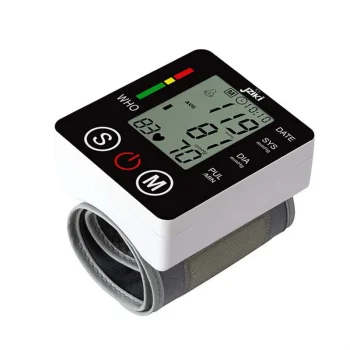
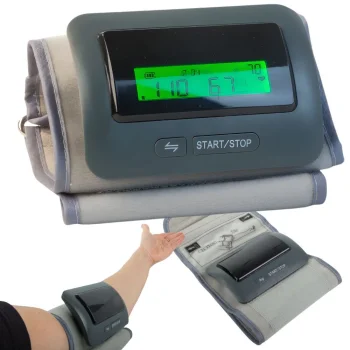
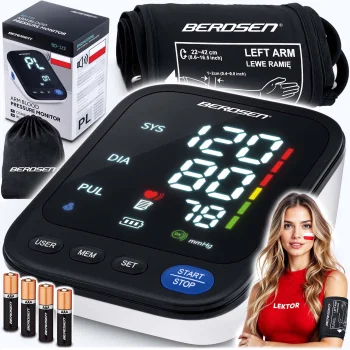
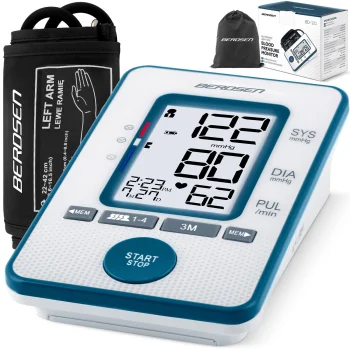
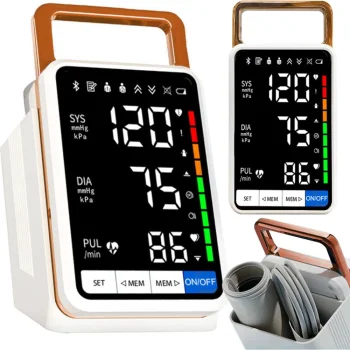
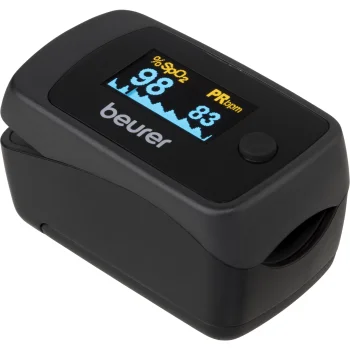
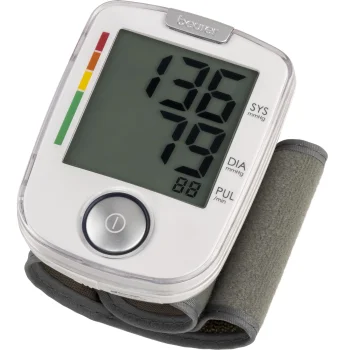
Blood pressure meters and pulse oximeters are practical devices for checking key health readings in everyday situations. In this category you can browse wrist and upper arm blood pressure monitors for measuring blood pressure and pulse, along with fingertip pulse oximeters for monitoring pulse rate and blood oxygen saturation. These products are suitable for users who want a simple way to follow basic readings at home or choose a compact device to carry with them.
How to choose the right device
Start by deciding which readings matter most for your needs. Wrist blood pressure monitors are compact and convenient for travel or quick checks, while upper arm monitors are a familiar choice for home use. If you mainly want to check oxygen saturation, a pulse oximeter is the right option. It is typically placed on the finger and shows readings on a display. Comparing size, wearing method, and screen readability can help you find the most convenient model.
- Choose wrist or upper arm blood pressure monitors based on comfort and routine use.
- Check which readings the device provides: blood pressure, pulse, or oxygen saturation.
- For travel or daily carrying, compact models can be more convenient.
- Display readability is useful for quicker and easier result checking.
- Compare device format: wrist, upper arm, or fingertip.
Explore the available blood pressure meters and pulse oximeters, compare the formats, and pick a device that suits your daily monitoring habits and preferences.
Frequently Asked Questions
What is the difference between a wrist and an upper arm blood pressure monitor?
A wrist monitor is more compact and portable, while an upper arm monitor is a common choice for regular home use.
What does a pulse oximeter measure?
A pulse oximeter typically measures blood oxygen saturation and pulse rate.
Are these devices suitable for home use?
Yes, this category includes devices intended for convenient everyday checks at home.
How should I choose the right model?
Think about which readings you need, how often you will use the device, and whether compact size is important for you.