
Balance Boards for Training and Stability
Balance boards range from wooden roller boards and rocker boards to wobble platforms and soft balance cushions. They improve balance, core stability and coordination, useful for home workouts, rehab, athletic training or quick office breaks. Browse different materials, weight capacities and surface textures to find a board that matches your goals and experience level.
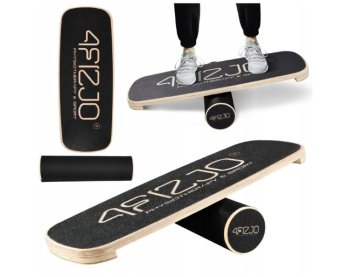
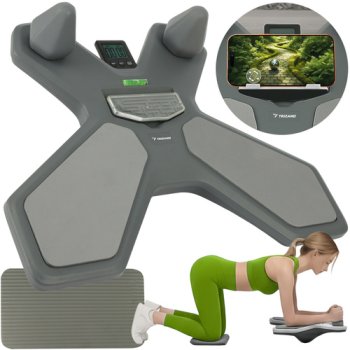
This category contains a wide variety of balance boards designed to develop balance, proprioception and core strength. Common types include roller boards (boards on a cylindrical roller), rocker boards (curved base), wobble boards (rounded underside for multi-directional tilt) and soft balance pads made of EVA or foam. Each type targets slightly different skills — rollers build reactive balance, wobble boards emphasize stabilizer muscles, while firmer boards offer a stable surface for strength and mobility work.
Typical use cases are diverse: home fitness and daily practice, physical therapy and rehabilitation, sports-specific training (surfing, skiing, cycling), yoga or pilates complement, group classes in gyms, and quick active breaks at the office. Portable models are great for traveling or for taking to training sessions. For children, there are simplified boards with limited tilt and extra anti-slip features.
Key features to consider include construction materials (wood, plastic, composite, EVA foam), surface texture (grip or anti-slip coating), maximum user weight, platform dimensions and the type of base. Wooden and composite boards tend to be durable and visually appealing; plastic and foam models are lightweight and can absorb impact better, making them suitable for beginners or kids.
How to choose the right board: first define your goal — if you need gentle rehabilitation choose a more stable, less mobile board; if you aim to improve athletic performance opt for dynamic roller or wobble boards. Check maximum weight capacity, board width (wider is generally more stable), non-slip surface and ease of storage. If portability matters, select lightweight designs or boards that come with carrying cases. Also consider accessories like replacement rollers, protective edges or mounting kits.
- Available types: roller, wobble, rocker and soft pads
- Materials: wood, plastic, composite, EVA foam
- Anti-slip surfaces for safe training
- Check size and maximum weight capacity
- Suitable for rehab, sports training and office breaks
- Child-friendly models with limited tilt available


